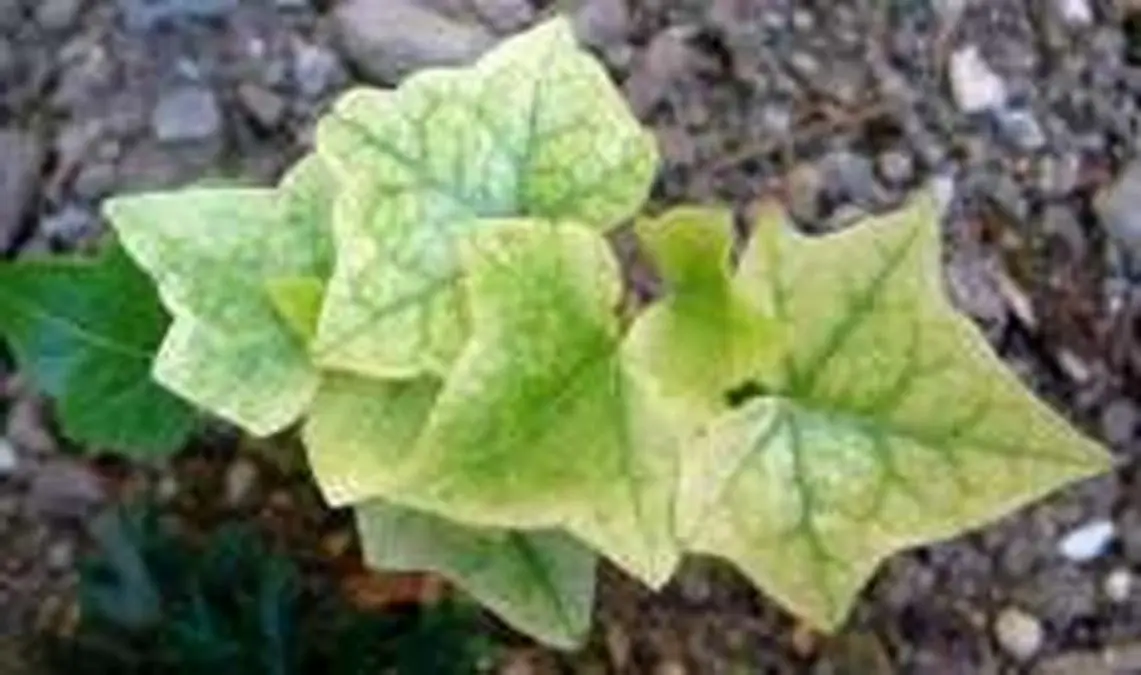
Typical ivy foliage which, as it grows, produces an astonishingly beautiful light yellow colour.
Mature foliage turns dark green.
Not very branchy, it is more of a climber.

From 5.90 

Clear
Category

Description

Ornamental ivy - Hedera helix ‘Sinclair Silverleaf’

In a nutshell

Ornamental ivy, Hedera helix ‘Sinclair Silverleaf’, It has typical ivy foliage which, when fully grown, produces an astonishingly beautiful pale yellow colour.

Mature foliage becomes dark green or creamy green with mottled or silvery highlights.

Not very branchy, it tends to climb.

History

This cultivar was discovered by Henri Schaepman in 1975.

Technical details - Hedera helix 'Sinclair Silverleaf'

Botanical information

  • Family: Araliaceae
  • Genre : Hedera
  • Species : helix
  • Cultivar: ‘Sinclair Silverleaf’
  • Pierot classification: variegated ivy, type ivy
  • Foliage stage: juvenile
  • Origin of the species: Europe, from Spain to Norway, but little on the Atlantic coast.
  • Origin of cultivar: discovered by Henri Schaepman


Description of Hedera helix ‘Sinclair Silverleaf’

  • Port : compact
  • Number of lobes: 3 shallow lobes, generally
  • Leaf length: 1.5 to 3 cm
  • Leaf width: 2 to 3 cm
  • Leaf colour: light creamy yellow becoming light green or mottled creamy green or with silver highlights.
  • Colour of veins: light green and cream, with little contrast
  • Leaf apex: elongated, wedge-shaped central lobe
  • Base of leaf: truncated or slightly cordate
  • Knot spacing: 0.25 to 1.5 cm
  • Branches: few branches
  • Colour of stem and petiole: greenish-purple
  • Hairs: stellate, 3 to 5 branches


Planting, cultivation and care instructions for Hedera helix ‘Sinclair Silverleaf’

  • Exposure: shade, part shade
  • Hardiness: -15°C
  • Soil moisture: cool soil
  • Soil PH: neutral or chalky
  • Soil type: all
  • Soil richness: ordinary or humus-bearing
  • Use: ground cover, climber
  • Development: moderate
  • Pruning: once a year
  • Pests: very rare (spider mites, mealy bugs)
  • Diseases: very rare (leaf spots)

A page from my little ivy encyclopaedia

A new look at ivy ...

Ivy doesn't require much maintenance?

Once ivy is established, it lives its own life and develops without the need for frequent intervention.

The only maintenance consists of annual pruning if necessary.

- There's no need to rake up the dead leaves - they disappear under the green leaves.
- There's no need to weed, as ivy largely prevents unwanted growth.
- It doesn't need to be watered often, as ivy tolerates drought.
- There's no need to treat it, as ivy is not a disease-prone plant.
- There's no need to use fertiliser - the decomposition of leaves is enough, just like in the forest.

With ivy, you can go on holiday for several weeks without having to call on the neighbours ...

La boutique du lierre - guirlande de lierre

Ivy in literature

“Ivy, indifferent to the chaos, covered the remains of the invasion.

H.G. Wells, War of the worlds

Additional information

Weight N/A
Stock of 1-litre cups and pots

6 to 10 pots

Stock 2 or 4 litre containers

3 to 5 containers

Large stock items

0 big topic

General appearance

Scattered, Little branched

Type of foliage and colour

Yellow variegation

Possible uses

Climber, Pots or planters

Exhibition

Part shade, Sun

Hardiness

Good hardiness

Easy to grow

Easy

Speed

Average

Vigorous development

Medium

Classification according to the Pierot system

From 'Pittsburgh', Ivy type

Reward obtained

No known reward

Reviews

There are no reviews yet.

Only logged in customers who have purchased this product may leave a review.

Find out more ...

Other interesting ivy plants for you