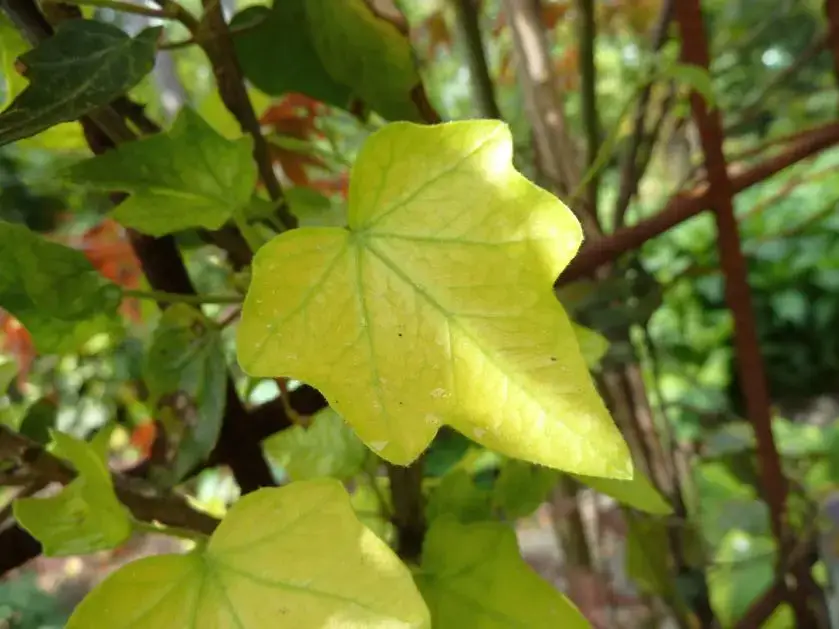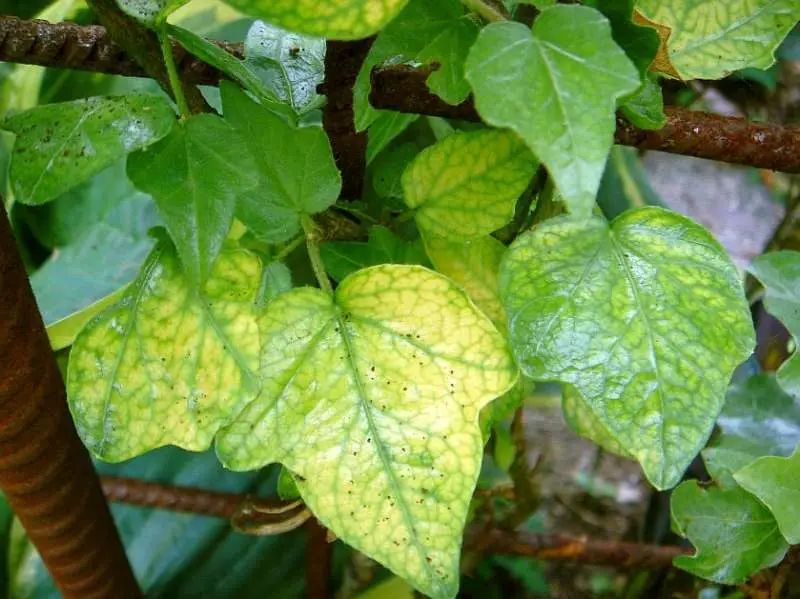
Particularly interesting for its young foliage, which starts out lemon-yellow and later turns dark green.

This is a very bright ivy in semi-shade.

With its moderate growth and compact habit, it is particularly suitable for small spaces or pots.

From 5.90 

Clear
Category

Description

Ornamental ivy - Hedera helix ‘Lustrous Carpet’

In a nutshell

Ornamental ivy, Hedera helix ‘Lustrous Carpet’, It is particularly interesting for its young foliage, which starts out lemon-yellow and later turns dark green. The leaves have 3 to 5 lobes.

This is a very bright ivy in semi-shade.

With its moderate growth and compact habit, it is particularly suitable for small spaces or pots.

History

The origin of this cultivar is not known to us.

Technical details - Hedera helix 'Lustrous Carpet'

Botanical information

  • Family: Araliaceae
  • Genre : Hedera
  • Species : helix
  • Cultivar: ‘Lustrous Carpet’
  • Related cultivar : ‘Lucida Aurea’
  • Pierot classification: heart-shaped ivy
  • Foliage stage: juvenile
  • Origin of the species: Europe, from Spain to Norway, but little on the Atlantic coast.
  • Origin of cultivar: unknown


Description of Hedera helix ‘Lustrous Carpet’

  • Port : compact
  • Number of lobes: 3 to 5 lobes in general
  • Leaf length: 4 cm
  • Sheet width: 4 cm
  • Leaf colour: lemon yellow, then dark green
  • Colour of veins: green
  • Colour of stem and petiole: brownish green
  • Hairs: stellate, 3 to 5 branches


Planting, cultivation and maintenance advice for Hedera helix ‘Lustrous Carpet»

  • Exposure: part shade
  • Hardiness: -15°C
  • Soil moisture: cool soil
  • Soil PH: neutral or chalky
  • Soil type: all
  • Soil richness: ordinary or humus-bearing
  • Use: ground cover, climber, pot, window box
  • Development: moderate
  • Pruning: once a year
  • Pests: very rare (spider mites, mealy bugs)
  • Diseases: very rare (leaf spots)

A page from my little ivy encyclopaedia

All your questions about ivy

How to propagate ivy by layering?

Layering consists of burying part of the stem still attached to the mother plant so that it can develop roots. Ivy is a natural layering plant. Stems that are in contact with the soil form roots. All you have to do then is separate the various stem segments that have already taken root and grow them in pots before moving them to their final location.

You can also help the ivy to lay down roots. To do this, locate a sufficiently long, flexible stem. Make a small incision under the stem where you want the roots to form. Bury this section of stem in the ground and secure it with staples or a stone. Wait until the roots have formed and developed sufficiently.

When the roots are well developed, wean the stem by cutting it off from the mother plant. Wait a little longer to see if the daughter plant can survive on its own. Then transplant it to its final location.

La boutique du lierre - guirlande de lierre

Ivy in literature

“The shadow of the ivy dances on the walls, like a memory that refuses to go away.

Shakespeare, Timon of Athens

Additional information

Weight N/A
Stock of 1-litre cups and pots

21 to 50 pots

Stock 2 or 4 litre containers

11 to 20 containers

Large stock items

0 big topic

General appearance

Compact

Type of foliage and colour

Yellow, Green

Possible uses

Ground cover, Climber, Pots or planters

Exhibition

Semi-shade

Hardiness

Good hardiness

Easy to grow

Easy

Speed

Average

Vigorous development

Modest

Classification according to the Pierot system

Ivy type

Reward obtained

No known reward

Reviews

There are no reviews yet.

Only logged in customers who have purchased this product may leave a review.

Find out more ...

Other interesting ivy plants for you