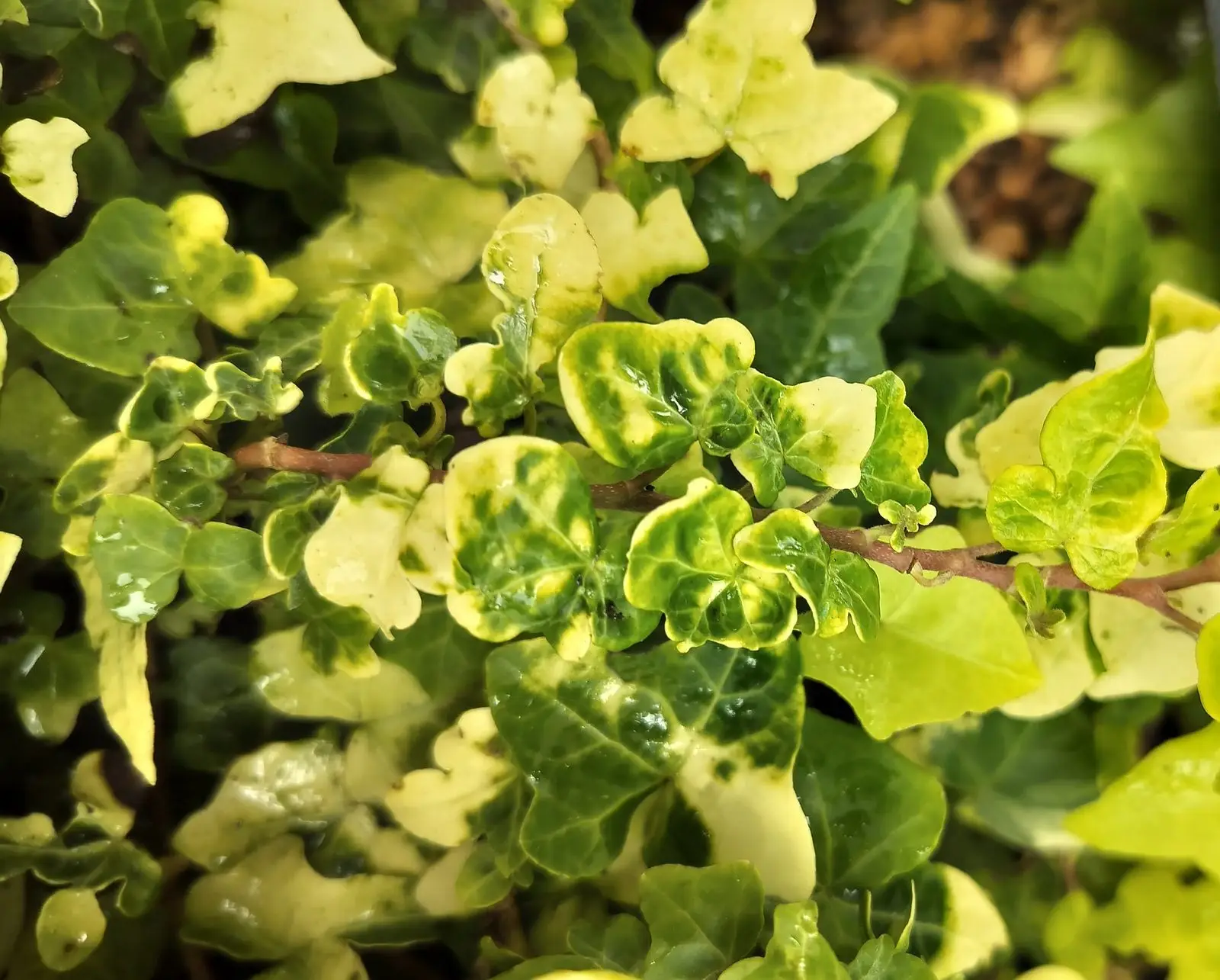
Similar to ‘Buttercup’for its foliage, colour, shape or texture.
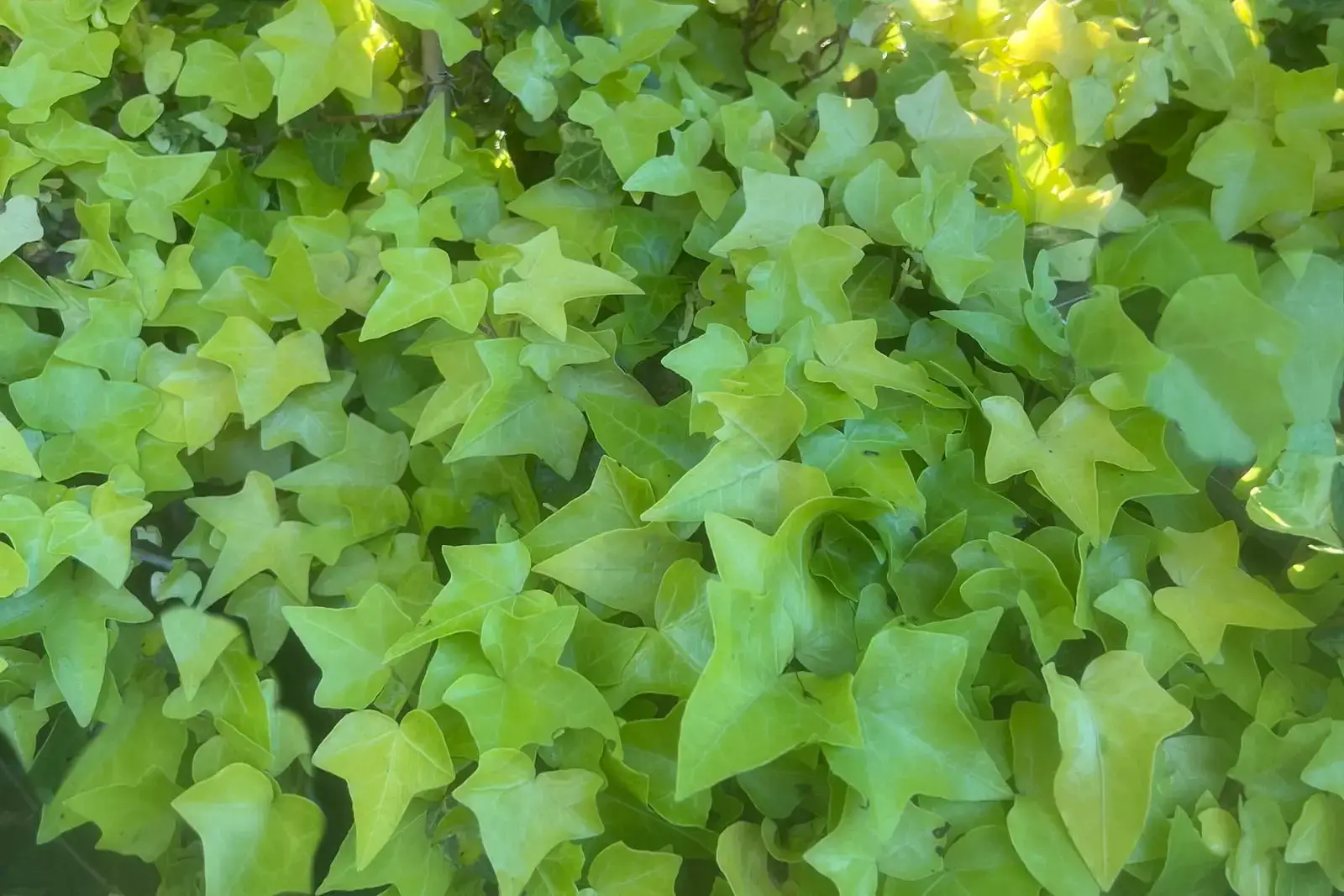
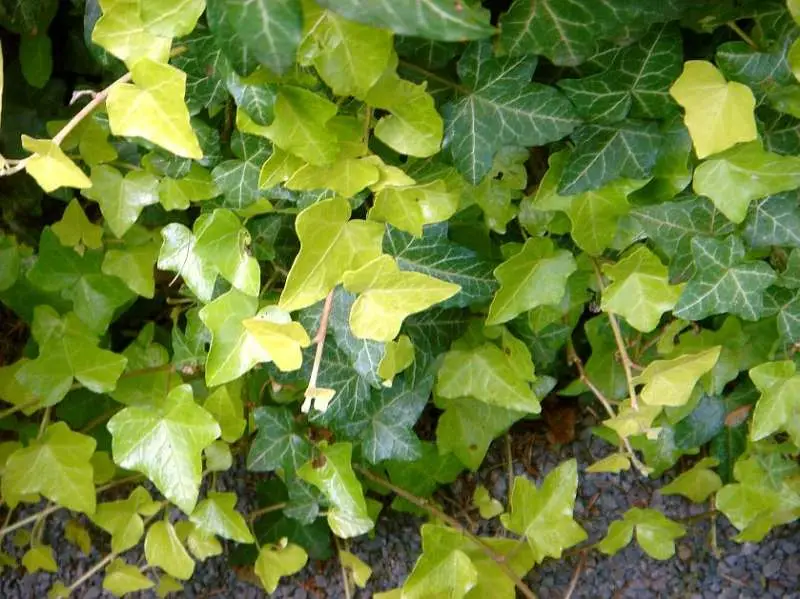
It differs from it in that its vegetation is better, both branchier and more vigorous. The leaves are larger and more golden-yellow, even in shady locations. In the shade, the leaves turn chartreuse green.

It is an interesting ivy to use in topiary.

From 12.90 

Clear
Category

Description

Ornamental ivy - Hedera helix ‘Gold Forever’

In a nutshell

Ornamental ivy, Hedera helix ‘Gold Forever’, is similar to ‘Buttercup’for its foliage, colour, shape or texture.

It differs from it in that its vegetation is better, both branchier and more vigorous. The leaves are composed of 5 more accentuated lobes. They are also larger and more golden-yellow in colour, even in the shade. In the shade, the leaves turn chartreuse green.

It is an interesting ivy to use in topiary.

History

This cultivar was introduced from the Netherlands and registered in 2012.

Technical details - Hedera helix 'Gold Forever'

Botanical information

  • Family: Araliaceae
  • Genre : Hedera
  • Species : helix
  • Cultivar : ‘Gold Forever’
  • Related cultivars: ‘Buttercup’, ‘Sunrise’.’
  • Pierot classification: ivy type
  • Foliage stage: juvenile
  • Origin of the species: Europe, from Spain to Norway, but little on the Atlantic coast.
  • Origin of cultivar: plant thought to have originated in the Netherlands


Description of Hedera helix ‘Gold Forever’

  • Growth habit: stocky, spreading
  • Number of lobes: 3 lobes in general
  • Leaf length: 4 cm
  • Sheet width: 4 cm
  • Colour of leaf: green-yellow
  • Colour of veins: light green
  • Stems: well-branched, medium-sized
  • Colour of stem and petiole: green, even in winter
  • Hairs: stellate, 3 to 5 branches


Planting, cultivation and care instructions for Hedera helix ‘Gold Forever’

  • Exposure: sun, part shade
  • Hardiness: -15°C
  • Soil moisture: cool soil
  • Soil PH: neutral or chalky
  • Soil type: all
  • Soil richness: ordinary or humus-bearing
  • Use: ground cover, climber, pot, window box, hanging baskets, topiary
  • Development: moderate
  • Pruning: once a year
  • Pests: very rare (spider mites, mealy bugs)
  • Diseases: very rare (leaf spots)

A page from my little ivy encyclopaedia

All your questions about ivy

How to propagate ivy by sowing?

Harvest the seeds when the berries are fully ripe. Remove all the pulp and rinse the seeds well. Ivy seeds often need a period of stratification to germinate. Place the seeds in a plastic bag with a little damp sand and refrigerate for about 4 to 6 weeks.

At the end of this period, prepare pots filled with sowing compost and sow 2 to 3 seeds per pot, planted at a depth of 1 or 2 cm. Moisten the mould with a spray bottle without soaking it. Place the pots in a mini-greenhouse to maintain humidity, at a temperature of 20-25°C.

Germination can take 4 to 6 weeks, sometimes longer, so be patient.

When the plants have formed at least two sets of leaves, transplant them into slightly larger pots with richer soil. Gradually get them used to outdoor conditions.

N.B.: always use fresh seeds, as ivy seeds quickly go out of date.

La boutique du lierre - guirlande de lierre

Ivy in literature

“This climbing ivy reminds me that even stone doesn't stand alone.

Shakespeare, Two Noble Cousins

Additional information

Weight N/A
Stock of 1-litre cups and pots

0 jar

Stock 2 or 4 litre containers

6 to 10 containers

Large stock items

0 big topic

General appearance

Fairly branched, Staggered, Stocky

Type of foliage and colour

Yellow

Possible uses

Ground cover, Climber, Pots or planters, Hanging, Topiary

Exhibition

Part shade, Sun

Hardiness

Good hardiness

Easy to grow

Average

Speed

Average

Vigorous development

Medium

Classification according to the Pierot system

Ivy type

Reward obtained

No known reward

Reviews

There are no reviews yet.

Only logged in customers who have purchased this product may leave a review.

Find out more ...

Other interesting ivy plants for you