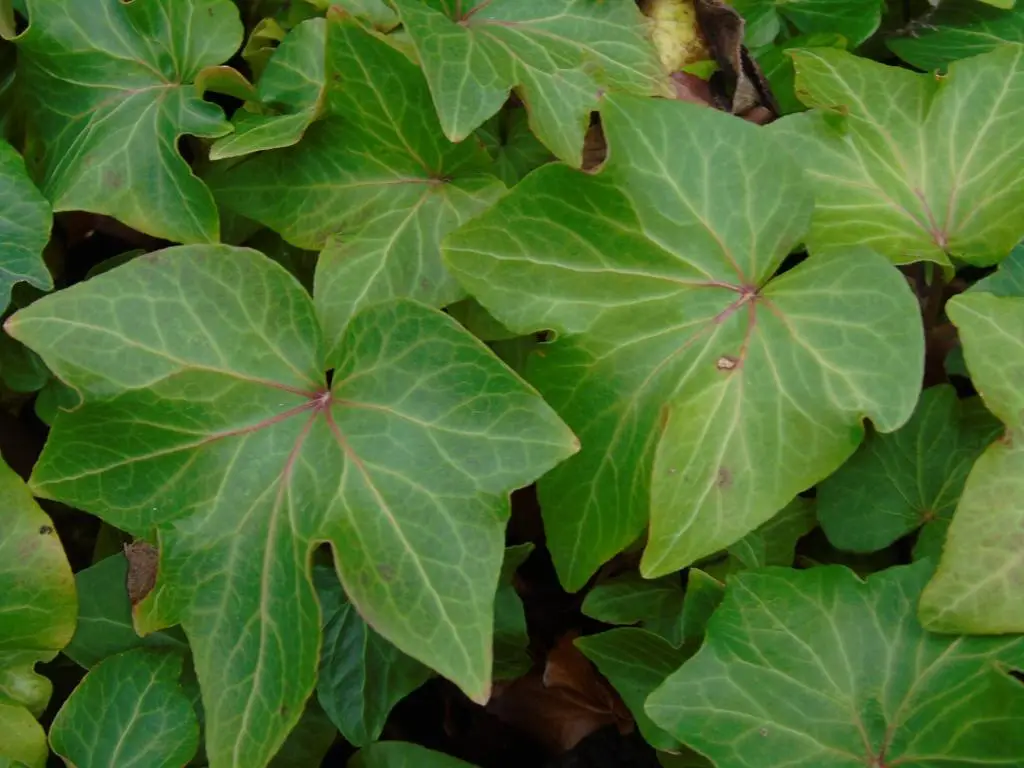
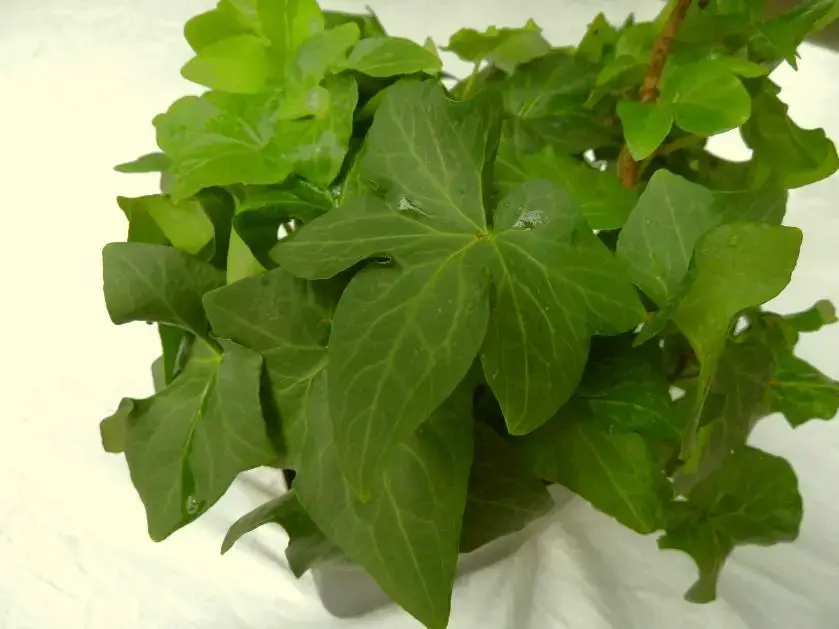
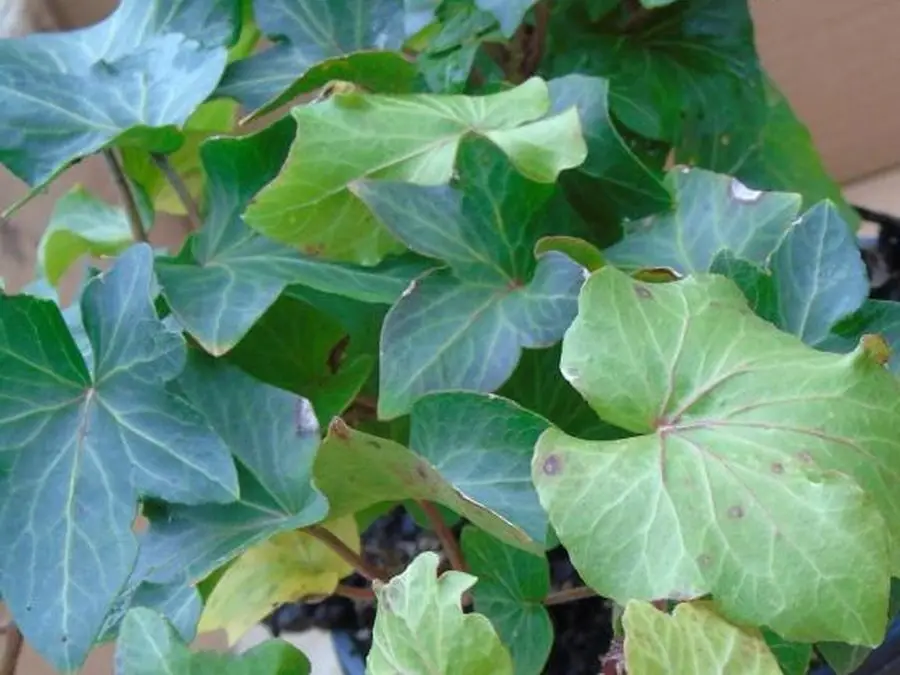
Hedera helix ‘Dicke von Stauss’ - Ornamental ivy
Description


Additional information
| Weight | N/A |
|---|---|
| Stock of 1-litre cups and pots | 51 to 100 pots |
| Stock 2 or 4 litre containers | 21 to 50 containers |
| Large stock items | 0 big topic |
| General appearance | Shrubby, Compact, Stocky |
| Type of foliage and colour | Curly or wavy, Green |
| Possible uses | Bonsai, Ground cover, Pots or planters, Rockery |
| Exhibition | Part shade, Shade, Sun |
| Hardiness | Less hardiness |
| Easy to grow | Easy |
| Speed | Slow |
| Vigorous development | Modest |
| Classification according to the Pierot system | Sired by 'Pittsburgh', Wavy, curly or crisp |
| Reward obtained | No known reward |
Only logged in customers who have purchased this product may leave a review.
Related products
-
Hedera helix ‘Chester’ - Ornamental ivy
- From 5.90 €
- Select options This product has multiple variants. The options may be chosen on the product page
-
Hedera helix ‘Cavendishii Semi Arborescent’
- 27.90 €
- Select options This product has multiple variants. The options may be chosen on the product page
-
Hedera helix ‘Blue Moon’ - Ornamental ivy
- From 12.90 €
- Select options This product has multiple variants. The options may be chosen on the product page
-
Hedera helix ‘Asterisk’ - Ornamental ivy
- From 5.90 €
- Select options This product has multiple variants. The options may be chosen on the product page


 Français
  English (UK)
  Deutsch
  Nederlands
  Italiano
Reviews
There are no reviews yet.