Long-stemmed climbing ivy.

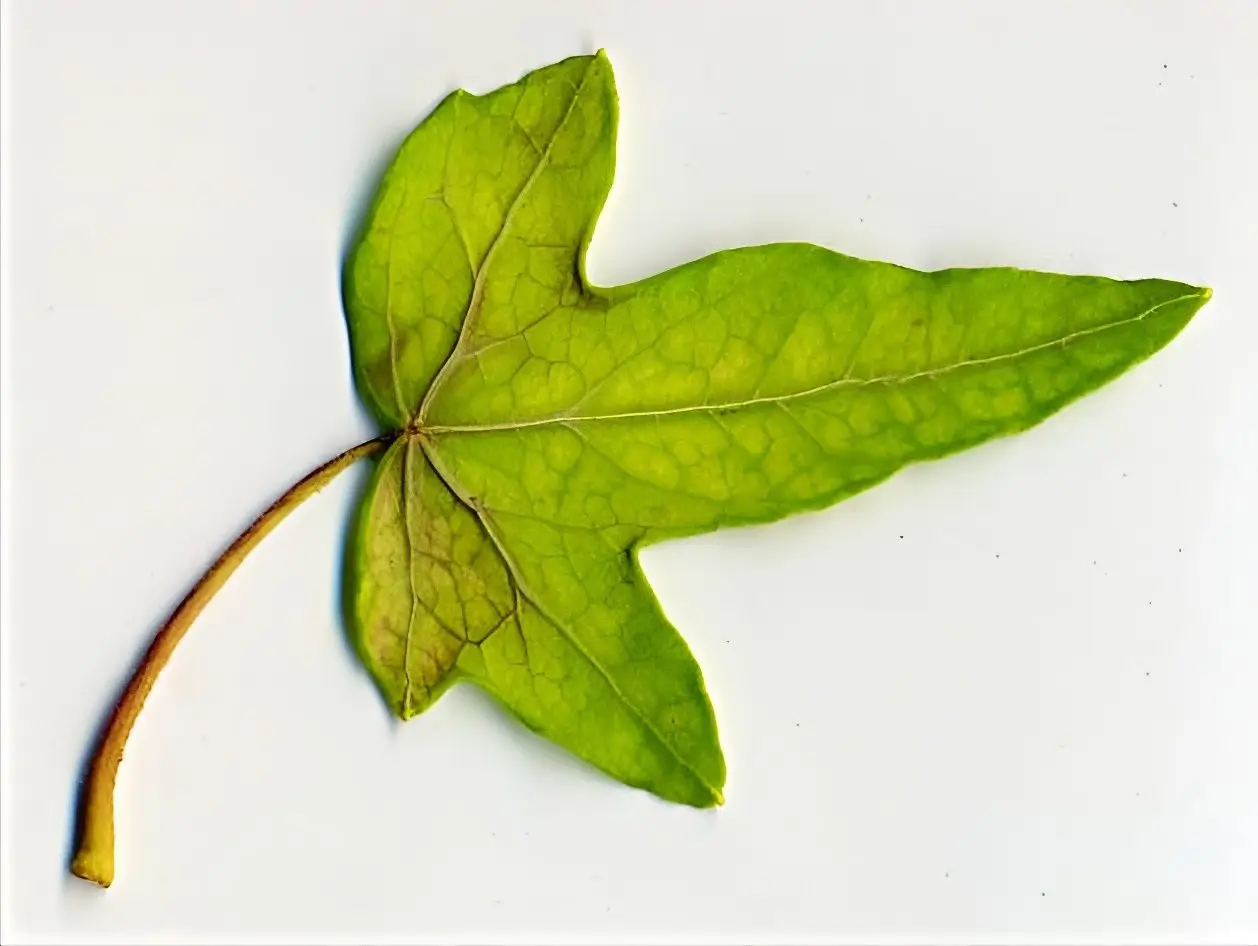
Medium-sized leaves with 5 narrow lobes, mottled yellow, then turning green and grey. Leaf bases sagittate or hastate. Stems strong but sparsely branched.

Ivy forms a thin mattress that should preferably be planted in a sunny position to take advantage of its luminous colouring.

From 5.90 

Clear
Category

Description

Ornamental ivy - Hedera helix ‘Brokamp’

In a nutshell

Ornamental ivy, Hedera helix ‘Caenwoodiana Aurea’ is a long-stemmed climber.

The medium-sized leaves have 5 narrow lobes. They start out mottled yellow, then turn green and grey. However, in bright conditions, they remain yellow for longer and more widely. The bases of the leaves are sagittate or hastate. The stems are strong but not very branched.

This ivy forms a thin mattress that should preferably be planted in a sunny spot to take advantage of its luminous colouring.

History

This cultivar first appeared in the catalogue of Robert Veitch & Sons in 1905, but was known in England long before that. It is a mutation of ‘Pedata’.’

Detailed description of Hedera helix 'Caenwoodiana Aurea'

Botanical information

  • Family: Araliaceae
  • Genre : Hedera
  • Species : helix
  • Cultivar: ‘Caenwoodiana Aurea’
  • Pierot classification: ivy with bird's-foot leaves
  • Foliage stage: juvenile
  • Origin of the species: Europe, from Spain to Norway, but little on the Atlantic coast.
  • Origin of cultivar: sport of ‘Pedata’ known in England from the 1860s, published in the catalogues of Robert Veitch & Sons in 1903. 


Description of Hedera helix ‘Caenwoodiana Aurea’

  • Port : étalél
  • Number of lobes: usually 5 lobes
  • Leaf length: 5 cm
  • Sheet width: 6 cm
  • Colour of leaf: green-yellow
  • Colour of veins: yellow-green
  • Colour of stem and petiole: purplish green
  • Branches: few branches
  • Hairs: stellate, 3 to 5 branches


Planting, cultivation and maintenance advice for Hedera helix ‘Caenwoodiana Aurea’

  • Exposure : sun
  • Hardiness: -15°C
  • Soil moisture: cool soil
  • Soil PH: neutral or chalky
  • Soil type: all
  • Soil richness: ordinary or humus-bearing
  • Use: climber, pot, window box
  • Development: rapid
  • Pruning: once a year
  • Pests: very rare (spider mites, mealy bugs)
  • Diseases: very rare (leaf spots)

A page from my little ivy encyclopaedia

The occasional question ...

What is a hasted leaf?

The vocabulary used by botanists to describe plants is very rich. For leaves alone, you can come across dozens of specific terms.

The word ‘hasté‘describes a leaf whose blade resembles the shape of a halberd, i.e. more triangular with the two base lobes almost aligned. This is what distinguishes it from a sagittate leaf, where the two base lobes fall on either side, like an arrow.

This term can also be used to describe the base of the leaf, meaning that the leaf forms an arrow-like shape where it attaches to the petiole.

Discover all the vocabulary used to describe leaves.

La boutique du lierre - guirlande de lierre

Ivy in literature

“The old ivy-covered stones seemed to withdraw into themselves, protected by their green mantle.

Charlotte Brontë, Jane Eyre

Additional information

Weight N/A
Stock of 1-litre cups and pots

1 to 2 pots

Stock 2 or 4 litre containers

11 to 20 containers

Large stock items

0 big topic

General appearance

Spread out, Little branched

Type of foliage and colour

Yellow

Possible uses

Climber, Pots or planters

Exhibition

Sun

Hardiness

Good hardiness

Easy to grow

Easy

Speed

Fast

Vigorous development

Medium

Classification according to the Pierot system

Bird's paw

Reward obtained

No known reward

Reviews

There are no reviews yet.

Only logged in customers who have purchased this product may leave a review.

Find out more ...

Other interesting ivy plants for you