Description
Ornamental ivy - Hedera helix ‘Tauzia’
In a nutshell
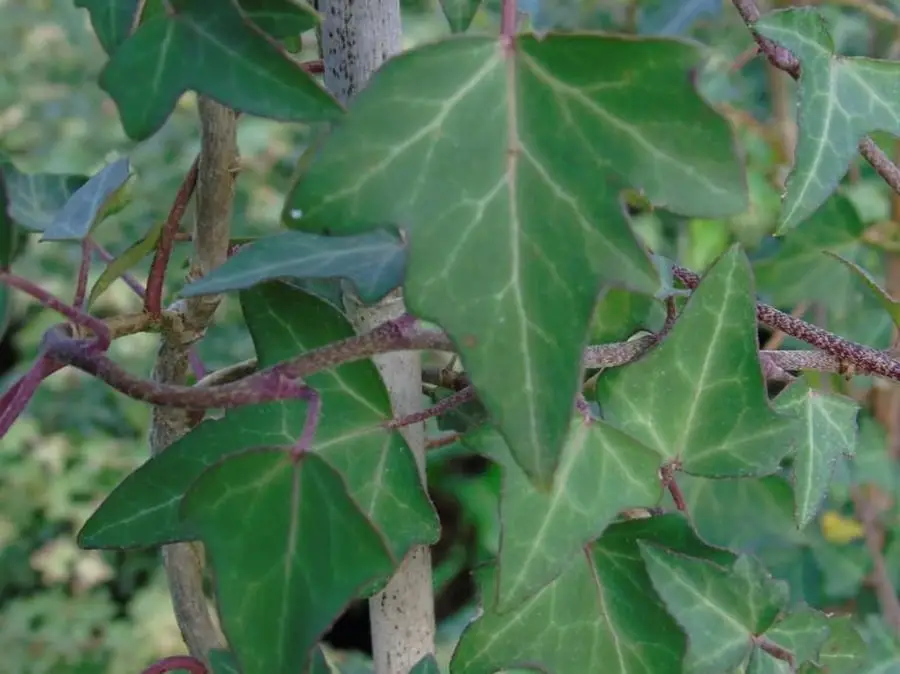
Ornamental ivy, Hedera helix ‘Tauzia’, is a variety selected in the forest of the Château de Tauzia near Bordeaux.
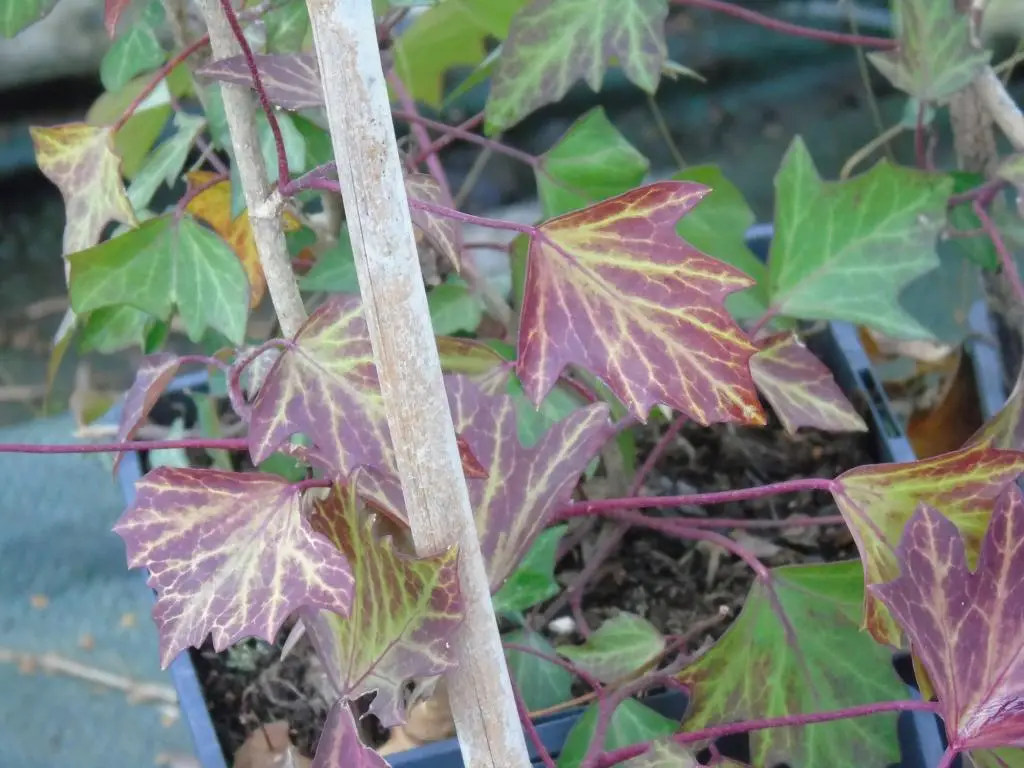
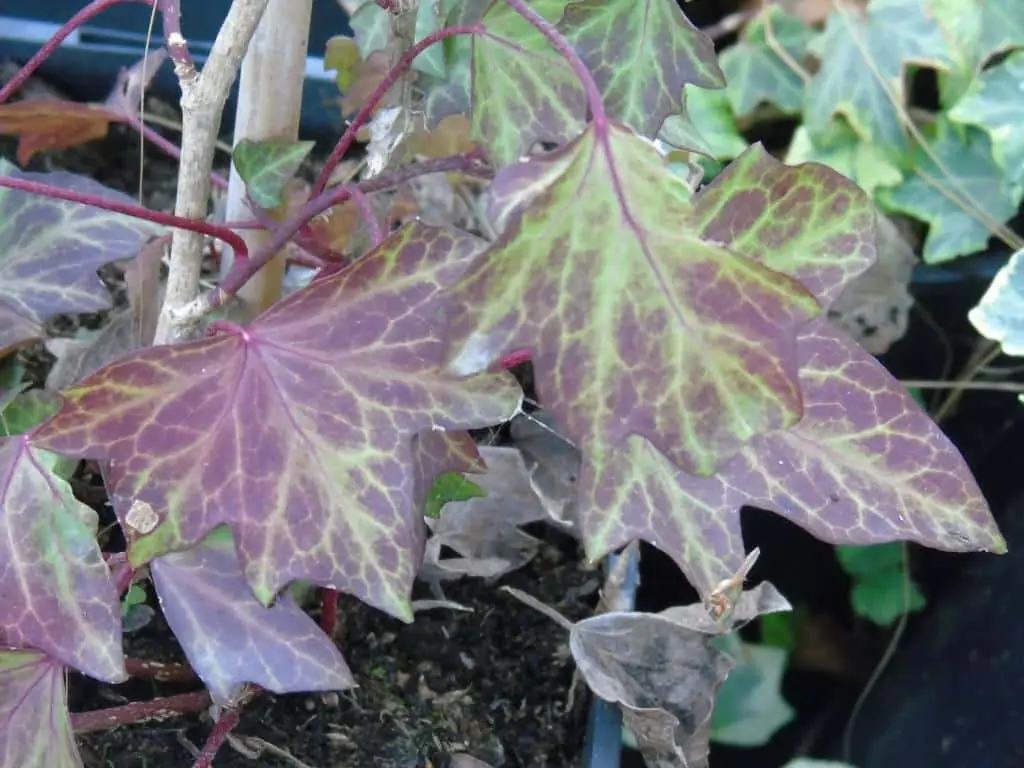
The uniqueness of its foliage, with its 5 to 7 lobes and blushing hues in winter, makes it a wonderful discovery.
A good climber, with medium branching and a thin mattress.
History
This cultivar was discovered by Olivier Arcelus in the forest of the Château de Tauzia, near Bordeaux.
Data sheet - Hedera helix 'Tauzia'
Botanical information
- Family: Araliaceae
- Genre : Hedera
- Species : helix
- Cultivar: ‘Tauzia’
- Pierot classification: ivy type
- Foliage stage: juvenile
- Origin of the species: Europe, from Spain to Norway, but little on the Atlantic coast.
- Origin of cultivar: discovered in the forest of the Château de Tauzia (France)
Description of Hedera helix ‘Tauzia’
- Growth habit: spreading
- Number of lobes: 5 to 7 lobes in general
- Leaf length: 5 cm
- Sheet width: 4 cm
- Colour of leaf: medium green
- Colour variations: reddish in winter
- Colour of veins: light green
- Colour of stem and petiole: pinkish brown
- Branching: moderately branchy
- Mattress thickness: not very thick
- Hairs: stellate, 3 to 5 branches
Planting, cultivation and maintenance advice for Hedera helix ‘Tauzia’
- Exposure: shade, part shade
- Hardiness: -15°C
- Soil moisture: cool soil
- Soil PH: neutral or chalky
- Soil type: all
- Soil richness: ordinary or humus-bearing
- Use: climbing
- Development: vigorous
- Pruning: once a year
- Pests: very rare (spider mites, mealy bugs)
- Diseases: very rare (leaf spots)
A page from my little ivy encyclopaedia
The occasional question ...
How are new ivies selected?
There are two ways of selecting new ivy:
1 - in a given variety, one or more branches appear differently from the rest of the plant. This is known as a mutation. This is a common phenomenon in ivy. It naturally produces new shapes or colours that are interesting to observe. By taking cuttings from this original branching, you create a new variety of ivy.
2 - by observing populations of ivy in the wild. Some may be completely original and different from previously known forms of ivy.
In the first case, the parentage is perfectly clear. We can say that the new variety is a mutation (or a sport) of a particular cultivar. In the second case, it is more difficult, if not impossible, to establish the parentage of the new variety discovered.
In all cases, you need to make sure that this new variety is of real interest, particularly aesthetically or botanically, and of course check that it hasn't already been spotted by someone else and is therefore completely different from anything you've known before.
Ivy in literature
“The ivy, faithful in death, remains green in sorrow.”


Reviews
There are no reviews yet.