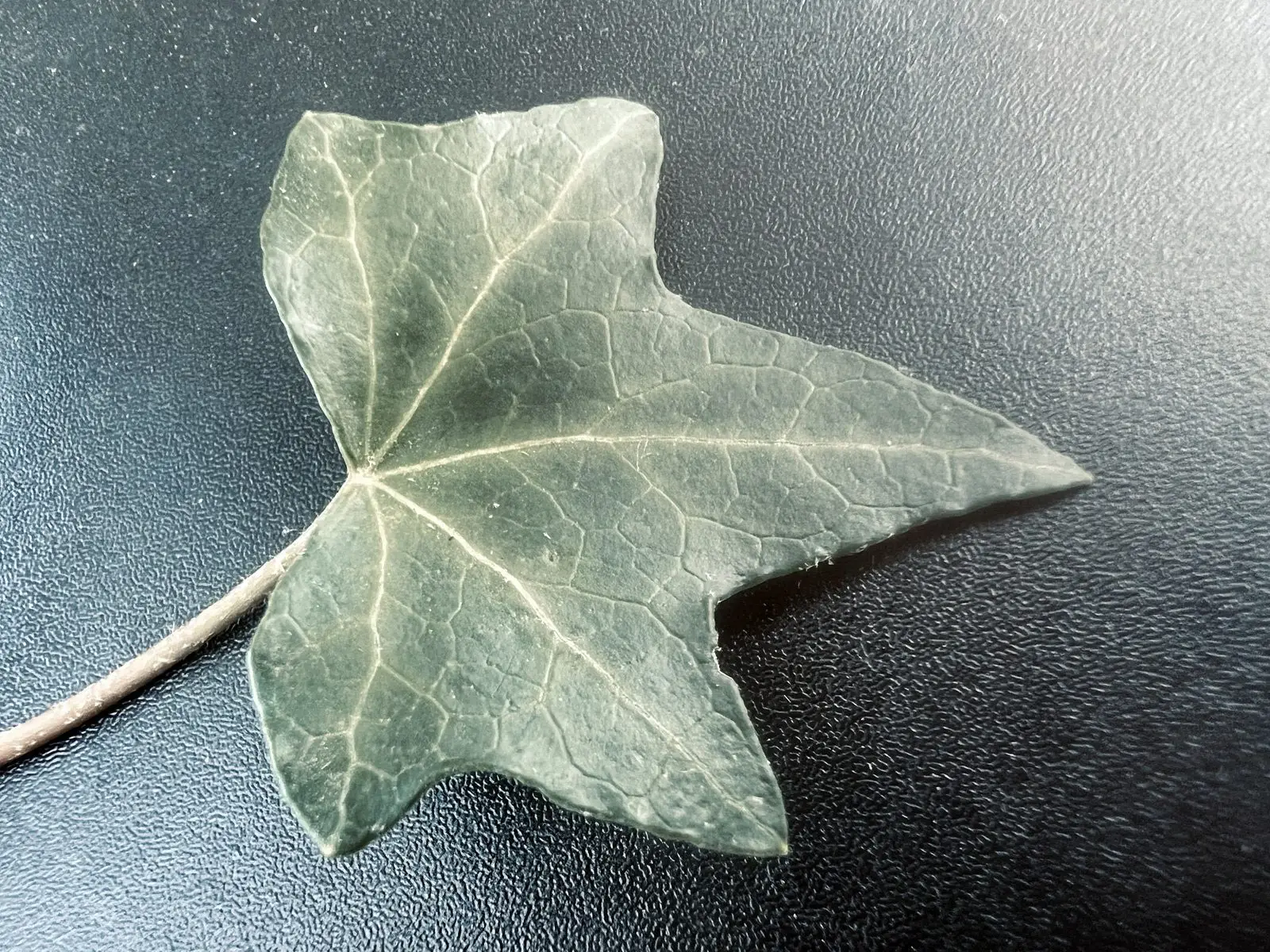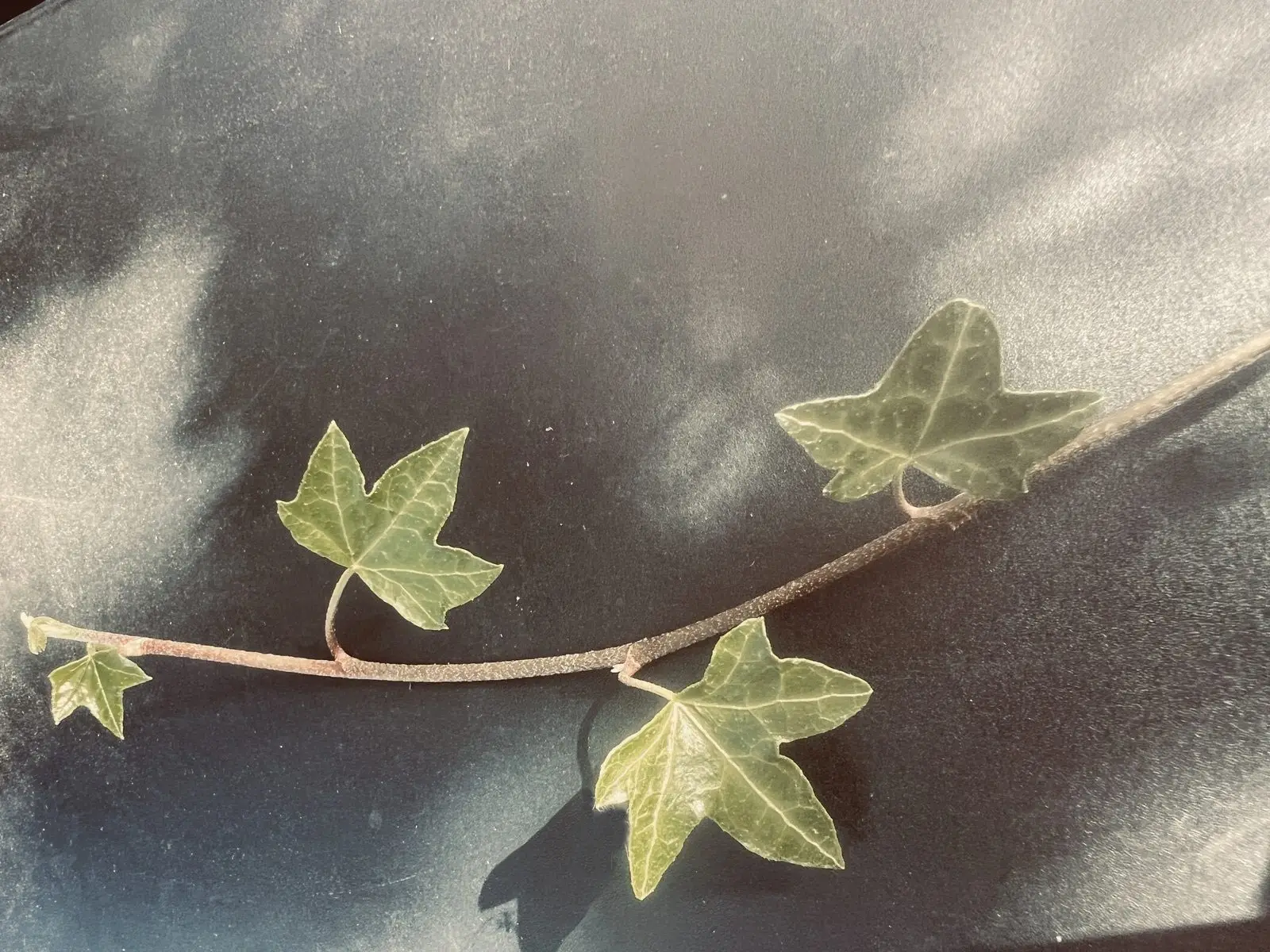
Ivy with small leaves generally consisting of 5 lobes, often different, some of which are digitate, hence its name.

Slow growth, short stems.

Lovely colouring in dry, cold winter weather.

From 5.90 

Clear
Category

Description

Irish ivy - Hedera hibernica ‘Digitata’

In a nutshell

Irish ivy, Hedera hibernica ‘Digitata’, is an ivy with small leaves, generally consisting of 5 lobes.

They are often different and some are digitate, hence the name. This variety grows relatively slowly. Its stems remain rather short compared with the type.

This ivy can take on attractive colours in winter when the weather is dry and cold.

History

This cultivar name appeared as long ago as 1826 in the catalogue of the nursery Conrad Loddiges & Sons, London, United Kingdom. It was discovered in the wild near an old nursery in Ireland by Mr Hodgens and Dr Mackay. It was initially considered to be a cultivar of Hedera helix, but an analysis of the chromosomes by Hugh McAllister proved that it was tetraploid, and therefore related to Hedera hibernica.

At the same time, another cultivar called ‘Rottingdean’ was introduced by G. Jackman & Sons, nurserymen in Woking, Surrey, UK in 1964. It had been discovered near Brighton. It later transpired that this cultivar actually matched the description of ‘Digitata’.

Finally, according to Hugh McAllister, the cultivar now sold in nurseries as ‘Digitata’ is in fact ‘Digitata Nova’ (Source: Hedera, The complete Guide). Without wishing to settle the debate definitively, we will simply point out that the latter is a 'Digitata Nova'. Hedera helix, while ‘Digitata’ is a Hedera hibernica.

Technical leaflet - Hedera hibernica 'Digitata'

Botanical information

  • Family: Araliaceae
  • Genre : Hedera
  • Species : hibernica
  • Cultivar : ‘Digitata’
  • Pierot classification: ivy type
  • Foliage stage: juvenile
  • Origin of the species: Europe, on the Atlantic coast, from Portugal to Scotland
  • Origin of cultivar: believed to have been found near an old nursery in Ireland by Mr Hodgens and Dr Mackay.


Description of Hedera hibernica ‘Digitata’

  • Growth habit: spreading
  • Number of lobes: usually 5 lobes
  • Leaf length: 5 to 6 cm
  • Sheet width: 6 to 7 cm
  • Colour of leaf: dark green
  • Colour variations: pretty winter colours in dry, cold weather
  • Leaf shape: some leaves are digested
  • Colour of veins: green
  • Internodes: 3 to 5 cm
  • Colour of stem and petiole: pinkish brown
  • Hair: stellate, small


Planting, cultivation and care instructions for Hedera hibernica ‘Digitata’

  • Exposure: shade, part shade, sun
  • Hardiness: -20°C
  • Soil moisture: cool soil
  • Soil PH: neutral, calcareous or acidic
  • Soil type: all
  • Soil richness: ordinary or humus-bearing
  • Use: climbing
  • Development: moderate
  • Pruning: once a year
  • Pests: very rare (spider mites, mealy bugs)
  • Diseases: very rare (leaf spots)

A page from my little ivy encyclopaedia

A question of circumstances

What is tetraploid ivy?

Plants usually have two sets of similar chromosomes in their cells. They are known as diploid. This is the case of Hedera helix. But some species have more sets of chromosomes. For example, Hedera hibernica has 4 sets of similar chromosomes. In this case, it is said to be tetraploid.

La boutique du lierre - guirlande de lierre

Ivy in literature

“The garden, overgrown with ivy, exuded a melancholy that no one could erase.»

Gustave Flaubert, Madame Bovary

Additional information

Weight N/A
Stock of 1-litre cups and pots

11 to 20 pots

Stock 2 or 4 litre containers

6 to 10 containers

Large stock items

0 big topic

General appearance

Spread

Type of foliage and colour

Atypical, Red in winter, Green

Possible uses

Climber

Exhibition

Part shade, Shade, Sun

Hardiness

Very good hardiness

Easy to grow

Easy

Speed

Average

Vigorous development

Medium

Classification according to the Pierot system

Ivy type

Reward obtained

No known reward

Reviews

There are no reviews yet.

Only logged in customers who have purchased this product may leave a review.

Find out more ...

Other interesting ivy plants for you