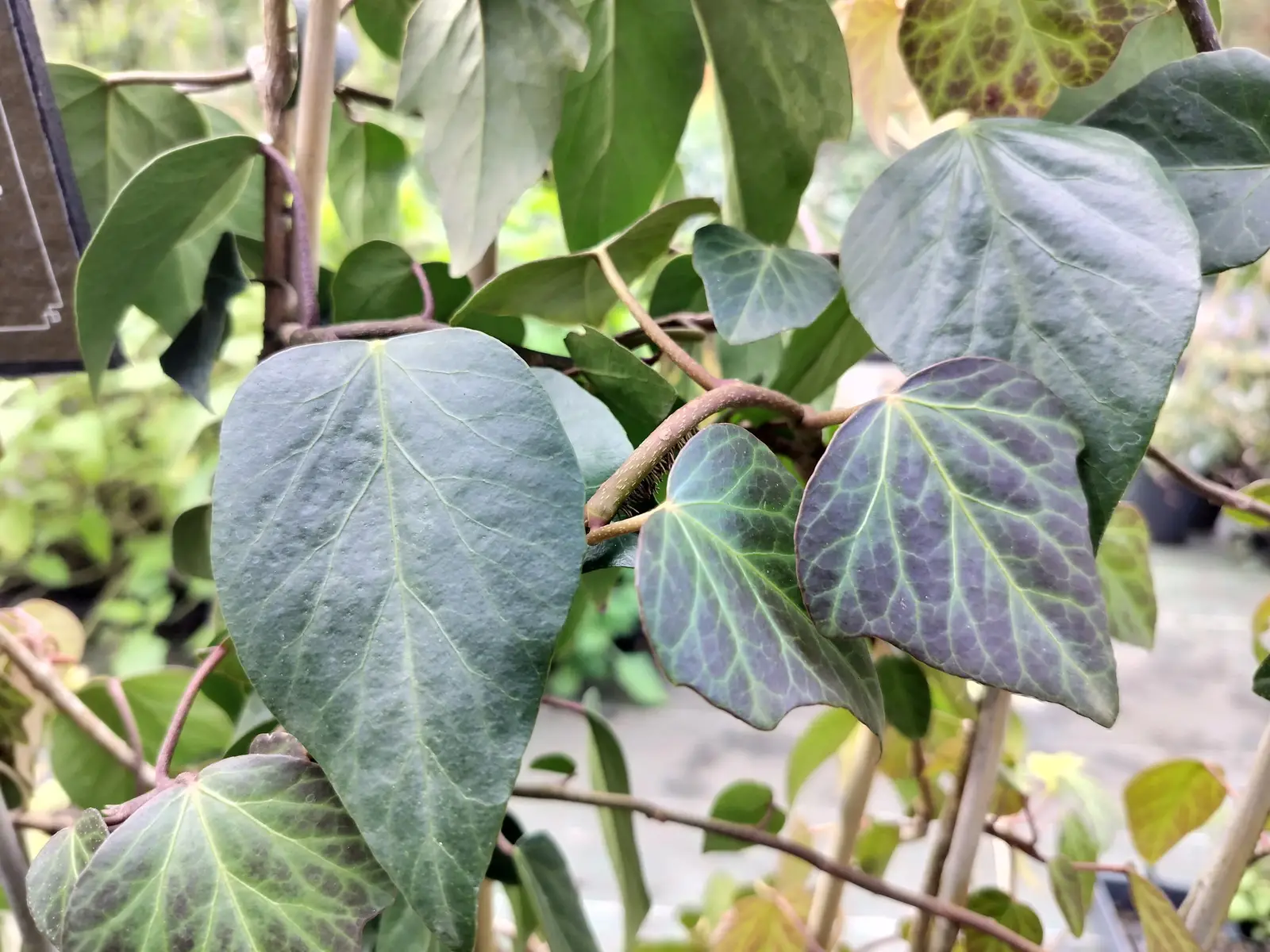
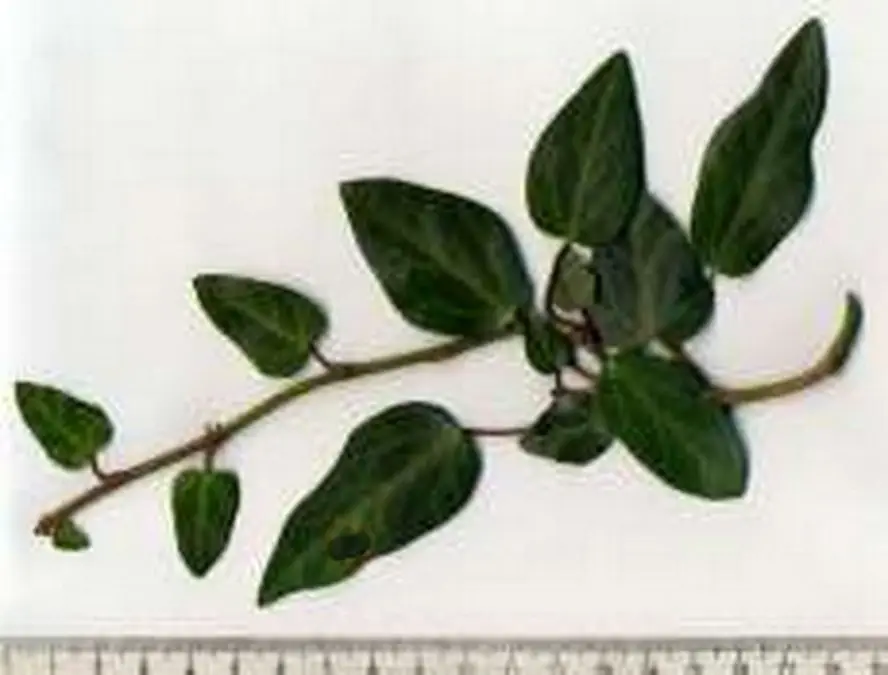
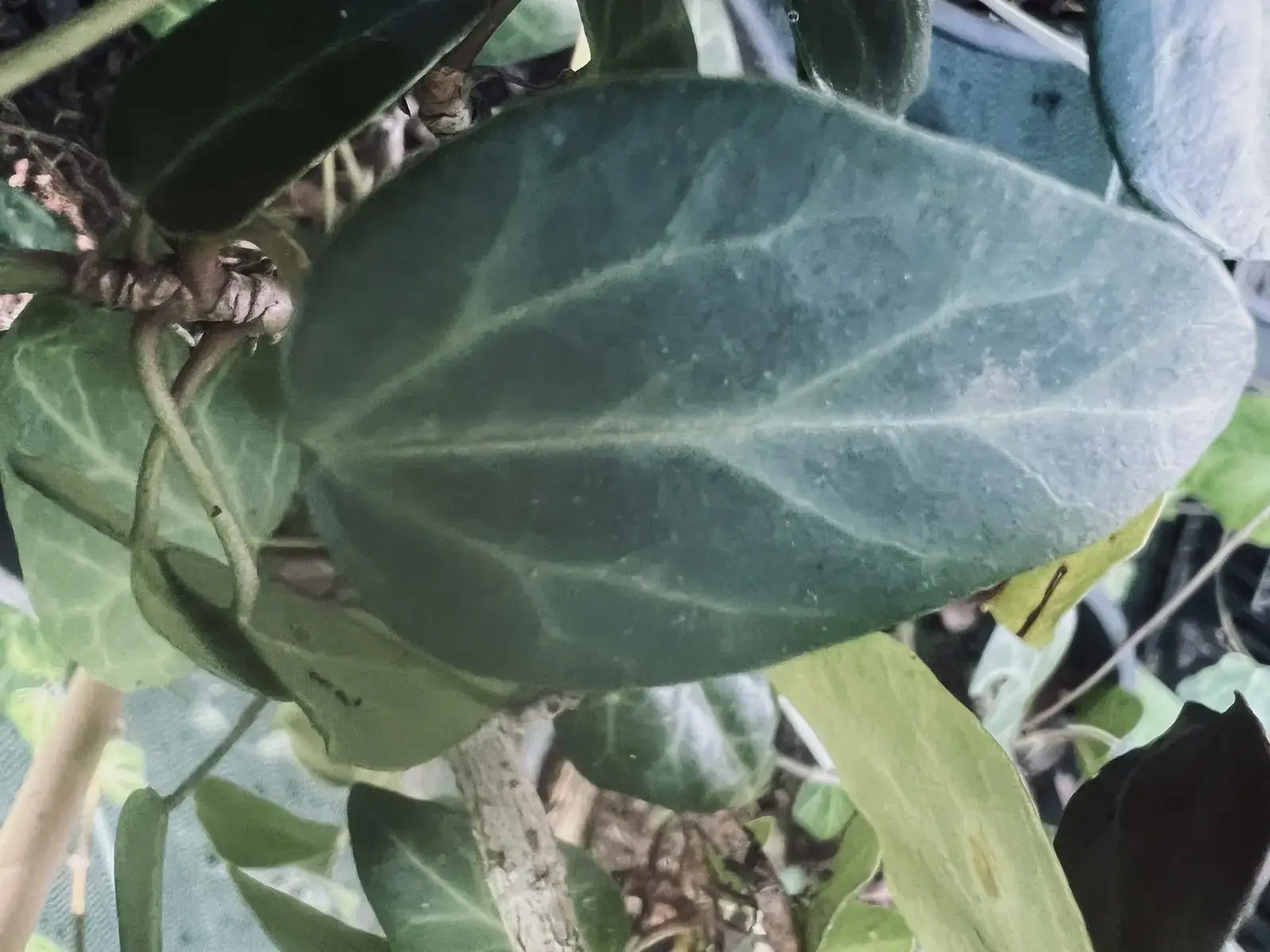
Hedera colchica ‘Georgian’ - Caucasian Ivy
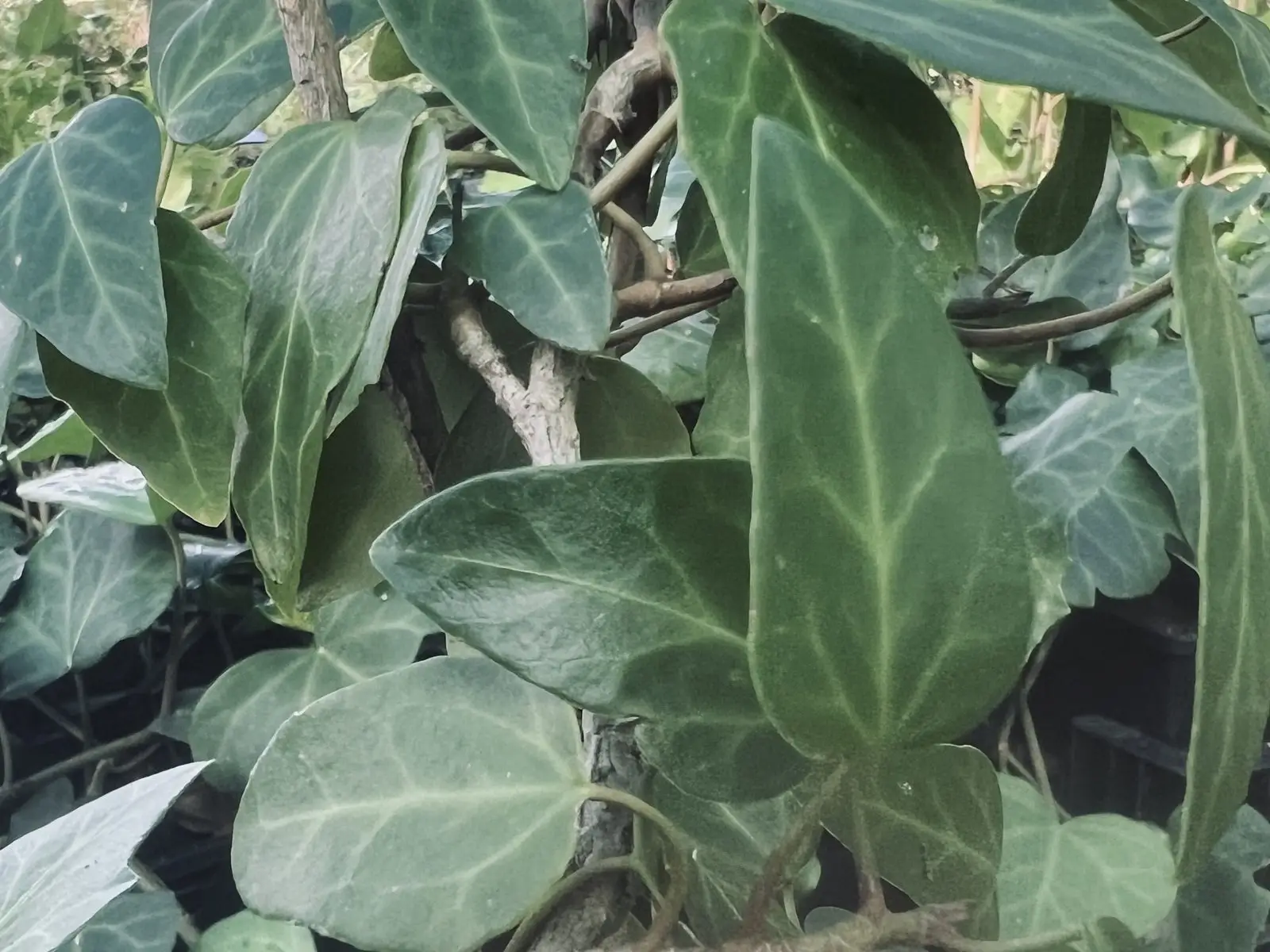
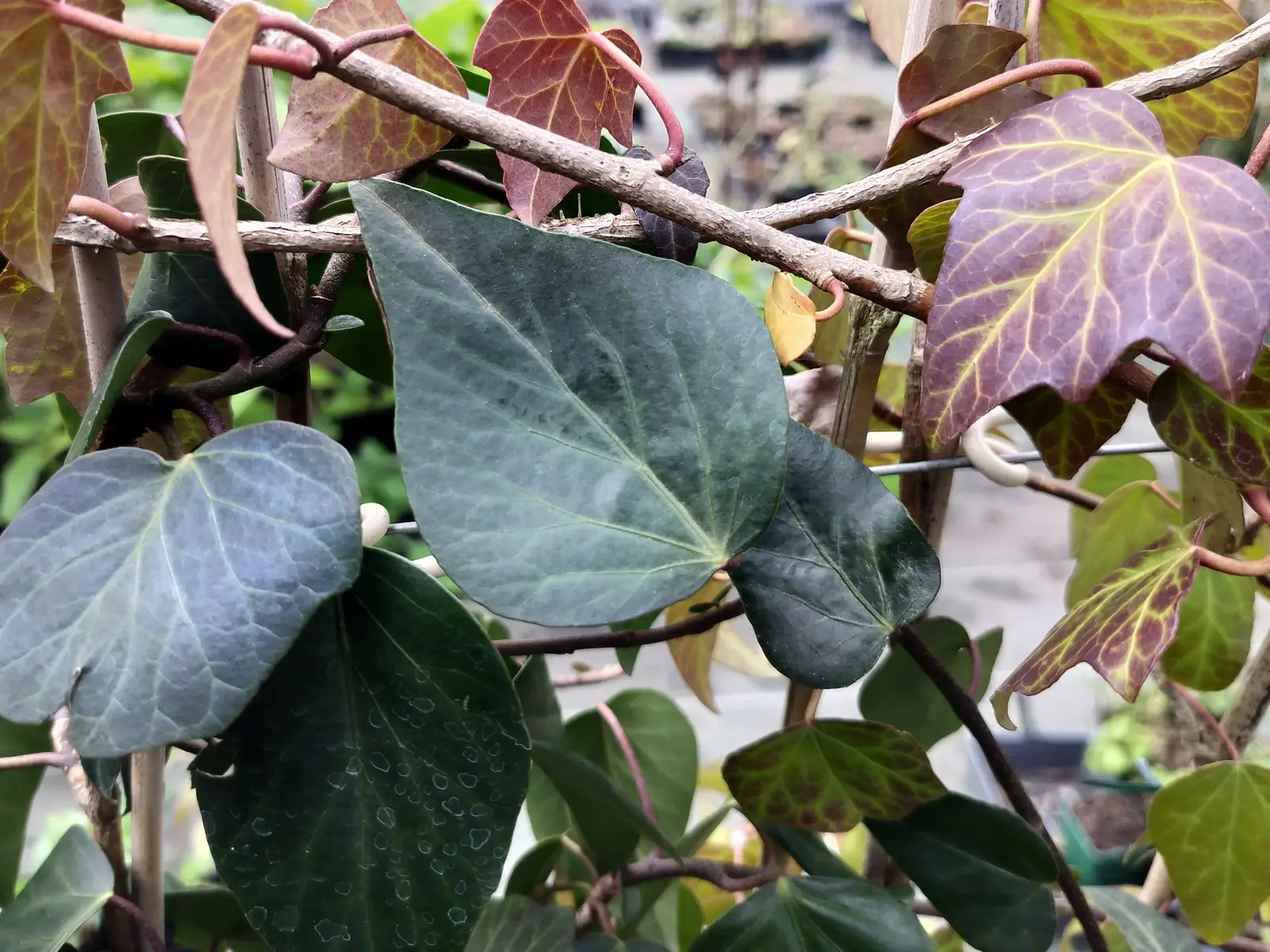
Description

All about the health of my ivy
Ivy is rarely attacked by parasites. What's more, in the event of infestation, it is generally hardy enough to avoid irreversible damage. Potential pests include the mealybug.
The carapace scale (Coccus hesperidum)
This is a very flat, yellow to light brown scale insect. It produces abundant honeydew, which is sought after by ants. This honeydew is quickly invaded by a black fungus called fumaginia. This impairs the ornamental appearance of the ivy and greatly reduces its vigour and growth.
In the event of an infestation, one of the most effective techniques for combating these mealybugs is to clean them manually with a cloth soaked in black soap or 70° alcohol, or with a soft toothbrush. You can also use neem oil sprays or macerations of garlic and chilli pepper as a natural insecticide.
Regular monitoring enables attacks to be detected as early as possible, making treatment much more effective.
Shell scale

Additional information
| Weight | N/A |
|---|---|
| Stock of 1-litre cups and pots | 11 to 20 pots |
| Stock 2 or 4 litre containers | 6 to 10 containers |
| Large stock items | 0 big topic |
| General appearance | Spread |
| Type of foliage and colour | Atypical, Green |
| Possible uses | Climber |
| Exhibition | Part shade, Shade, Sun |
| Hardiness | Very good hardiness |
| Easy to grow | Easy |
| Speed | Average |
| Vigorous development | Medium |
| Classification according to the Pierot system | Heart-shaped |
| Reward obtained | No known reward |
Only logged in customers who have purchased this product may leave a review.
Related products
-
Hedera helix ‘Bill Archer’ - Ornamental ivy
- From 5.90 €
- Select options This product has multiple variants. The options may be chosen on the product page
-
Hedera helix ‘Big Deal’ - Ornamental ivy
- 5.90 €
- Select options This product has multiple variants. The options may be chosen on the product page
-
Hedera helix ‘Baltica’ - Ornamental ivy
- From 5.90 €
- Select options This product has multiple variants. The options may be chosen on the product page
-
Hedera helix ‘Ambrosia’ - Ornamental ivy
- From 5.90 €
- Select options This product has multiple variants. The options may be chosen on the product page


 Français
  English (UK)
  Deutsch
  Nederlands
  Italiano
Reviews
There are no reviews yet.