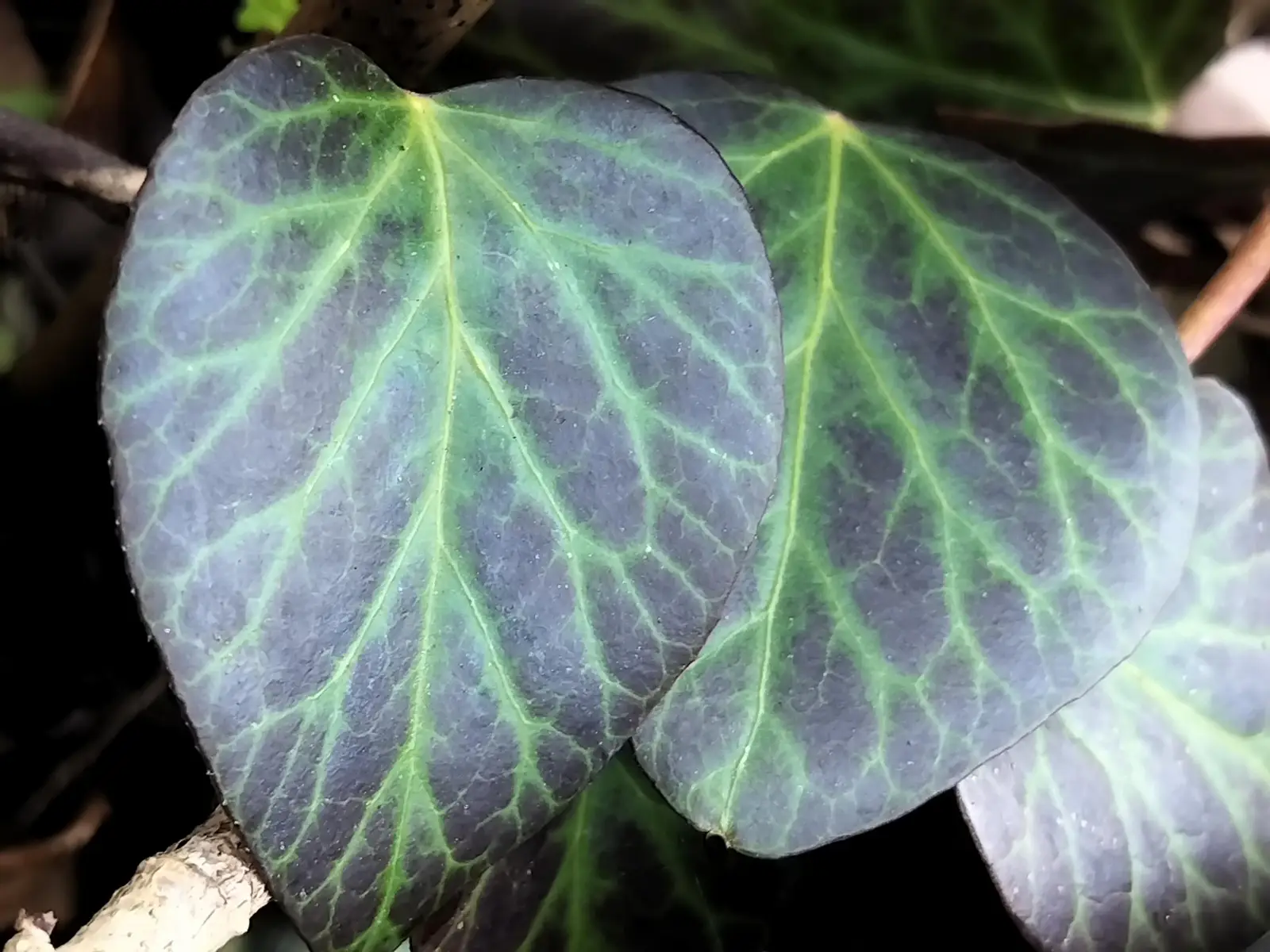
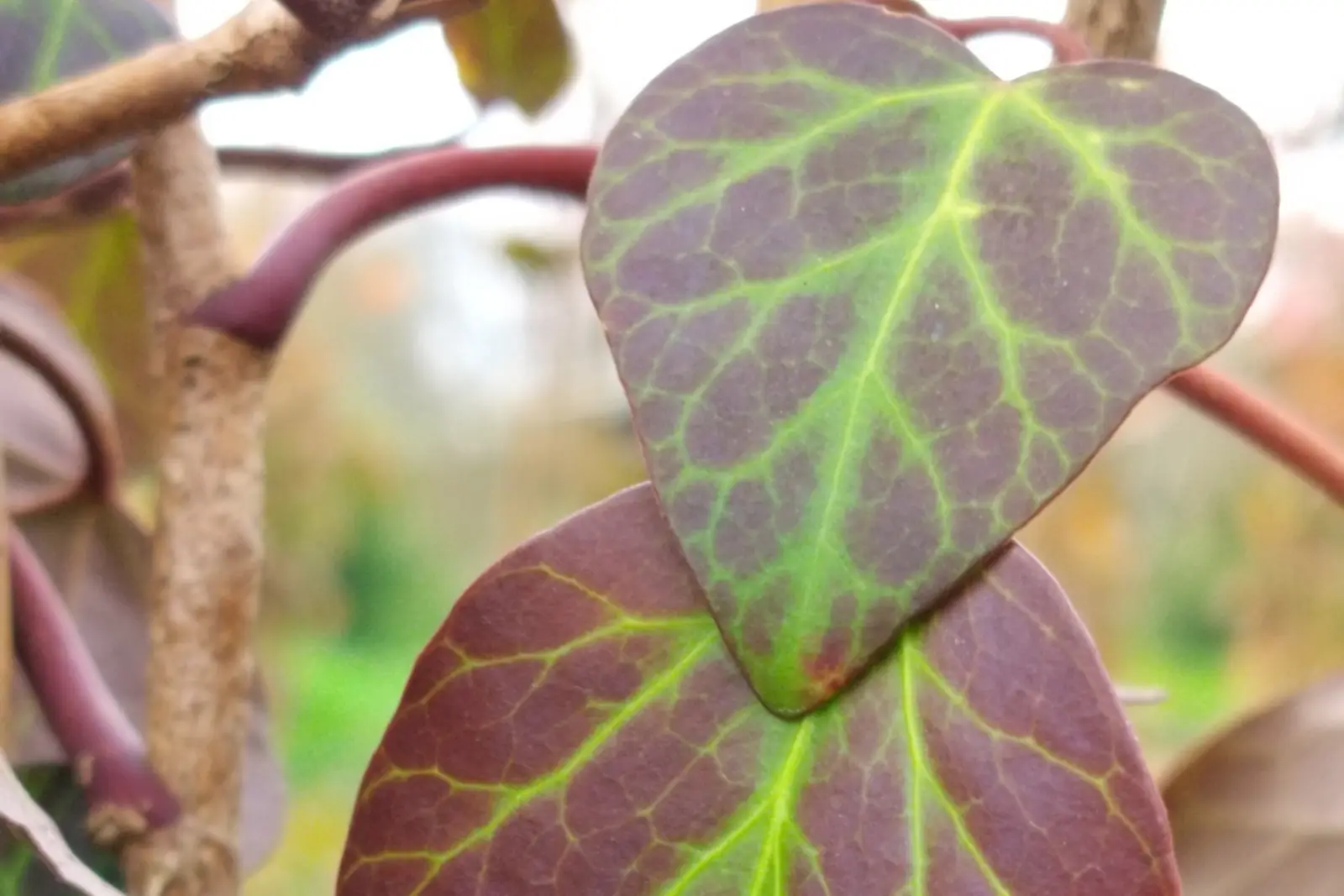
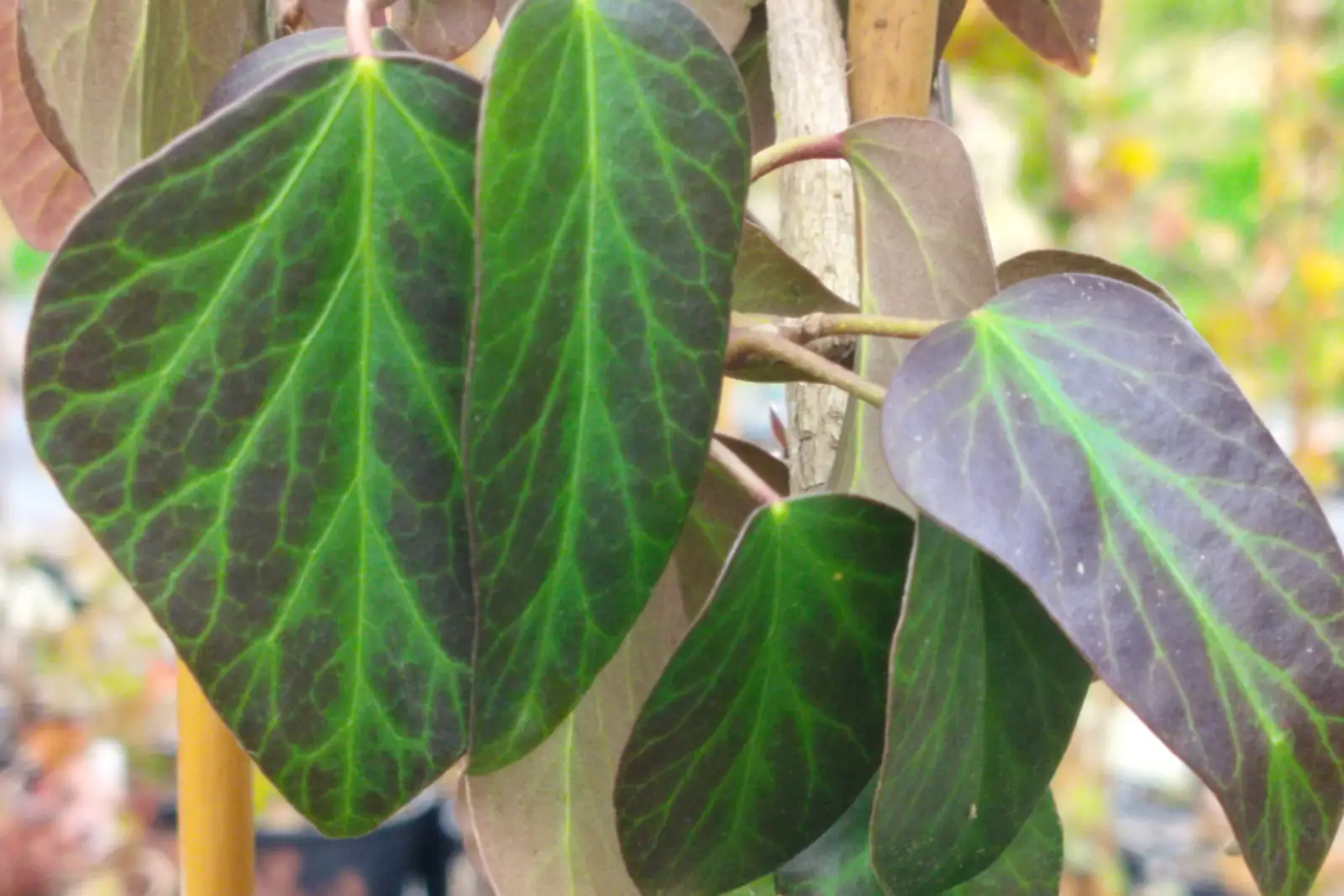
Hedera colchica ‘Dendroides’ - Caucasian Ivy
Description

All about the health of my ivy
Ivy is rarely attacked by parasites. What's more, in the event of infestation, it is generally hardy enough to avoid irreversible damage. Potential pests include the ivy aphid.
Ivy aphid (Aphis hederae)
This species of aphid colonises young ivy leaves. The aphid deposits honeydew on the leaves, which is highly prized by ants and gives rise to a black fungus known as fumaginia. Not only is this mottling unsightly, but it also has a detrimental effect on the plant's development by obstructing its stomata.
In the event of infestation, spray with black soap, nettle macerate, tobacco infusion or garlic. Another solution is to buy ladybird or hoverfly larvae, which will clean up quickly.
Regular monitoring enables attacks to be detected as early as possible, making treatment much more effective.

Ivy aphid
(Source: https://www.galerie-insecte.org/galerie/view.php?ref=300814)

Additional information
| Weight | N/A |
|---|---|
| Stock of 1-litre cups and pots | 3 to 5 pots |
| Stock 2 or 4 litre containers | 3 to 5 containers |
| Large stock items | 3 to 5 large subjects |
| General appearance | Spread |
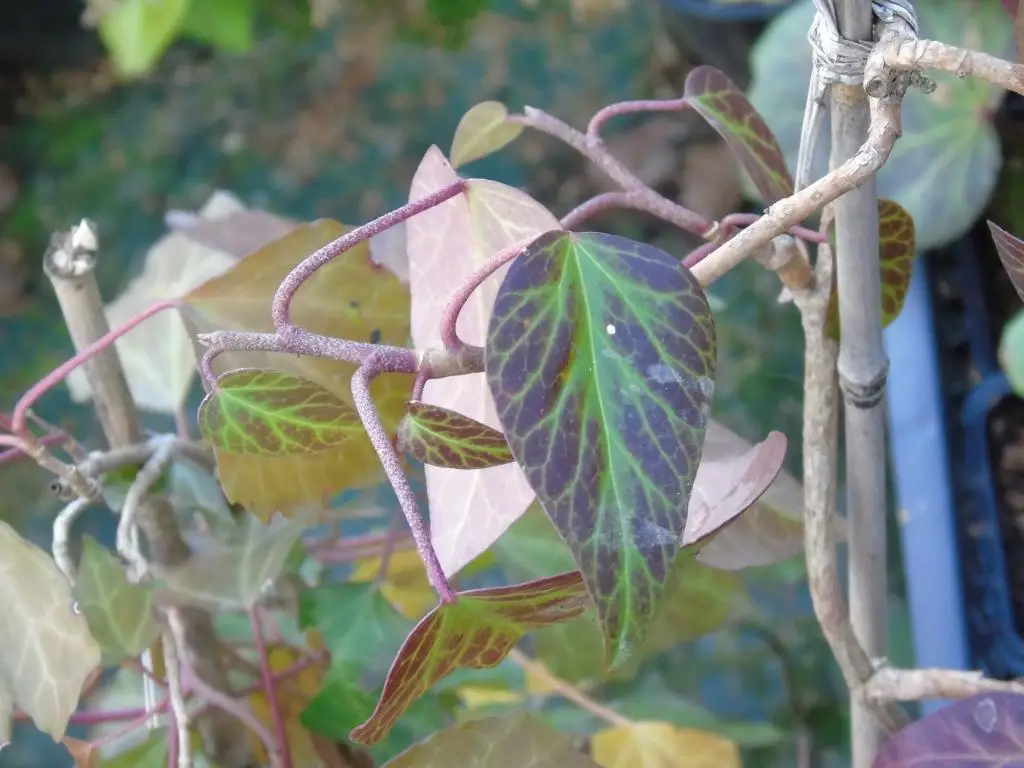
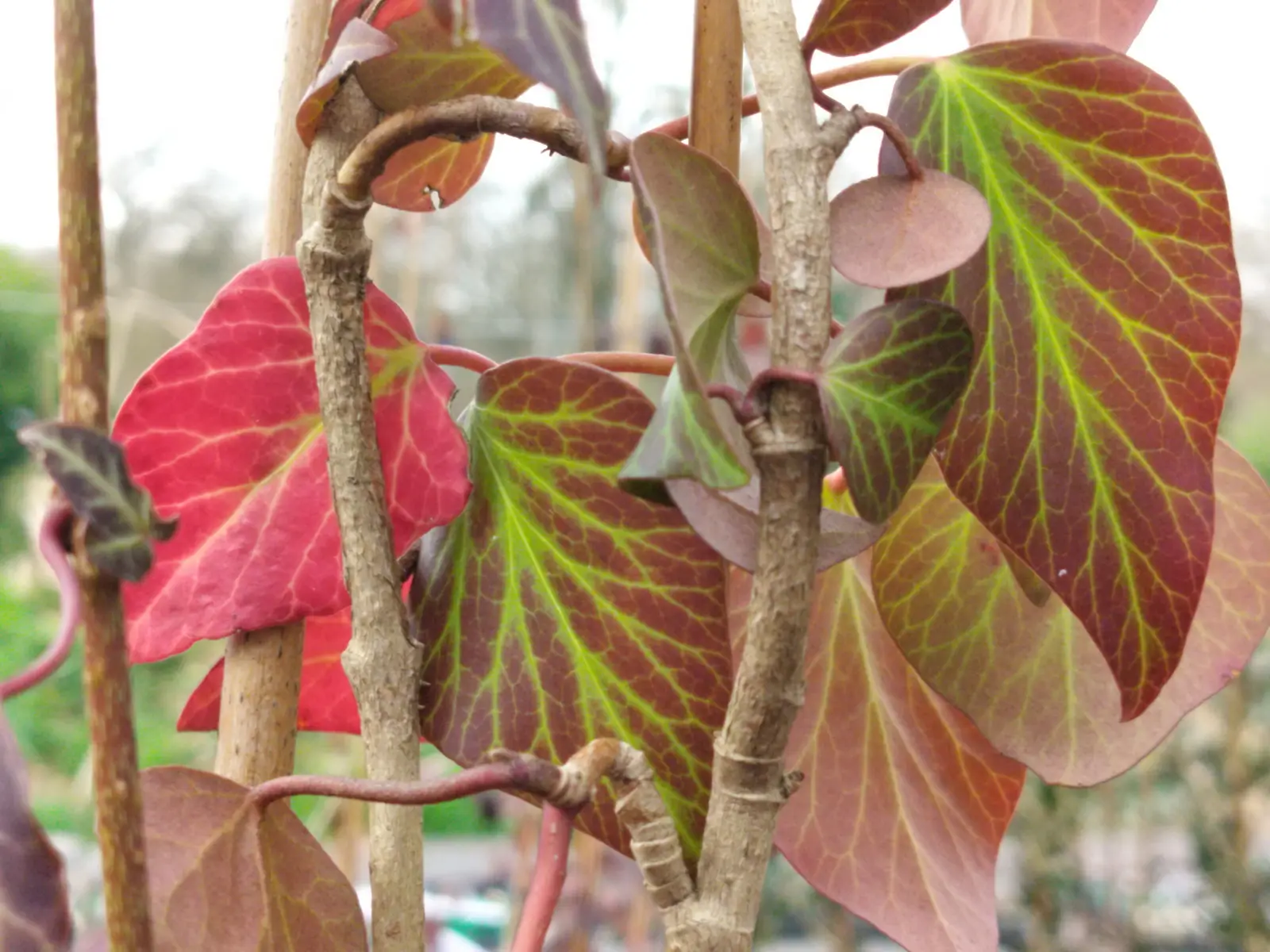
| Type of foliage and colour | Red in winter, Green |
| Possible uses | Climber |
| Exhibition | Part shade, Shade, Sun |
| Hardiness | Very good hardiness |
| Easy to grow | Easy |
| Speed | Average |
| Vigorous development | Medium |
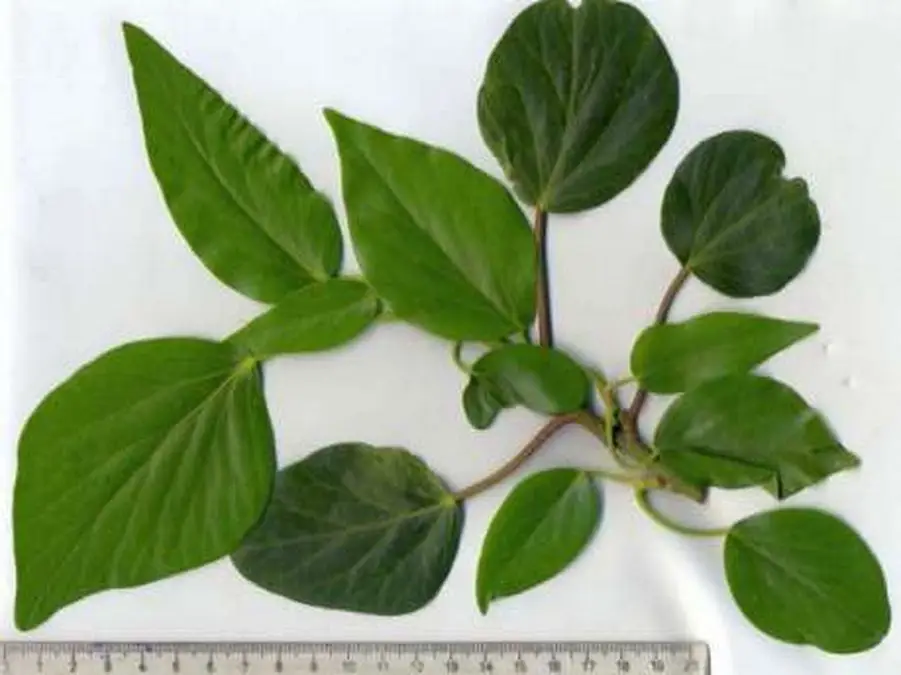
| Classification according to the Pierot system | Heart-shaped |
| Reward obtained | No known reward |
Only logged in customers who have purchased this product may leave a review.
Related products
-
Hedera helix ‘Big Deal’ - Ornamental ivy
- 5.90 €
- Select options This product has multiple variants. The options may be chosen on the product page
-
Hedera helix ‘Baltica’ - Ornamental ivy
- From 5.90 €
- Select options This product has multiple variants. The options may be chosen on the product page
-
Hedera helix ‘Baden-Baden’ - Ornamental ivy
- From 5.90 €
- Select options This product has multiple variants. The options may be chosen on the product page
-
Hedera helix ‘Anita’ - Ornamental ivy
- From 5.90 €
- Select options This product has multiple variants. The options may be chosen on the product page


 Français
  English (UK)
  Deutsch
  Nederlands
  Italiano
Reviews
There are no reviews yet.