
Hedera azorica ‘Pico’ - Azorean Ivy
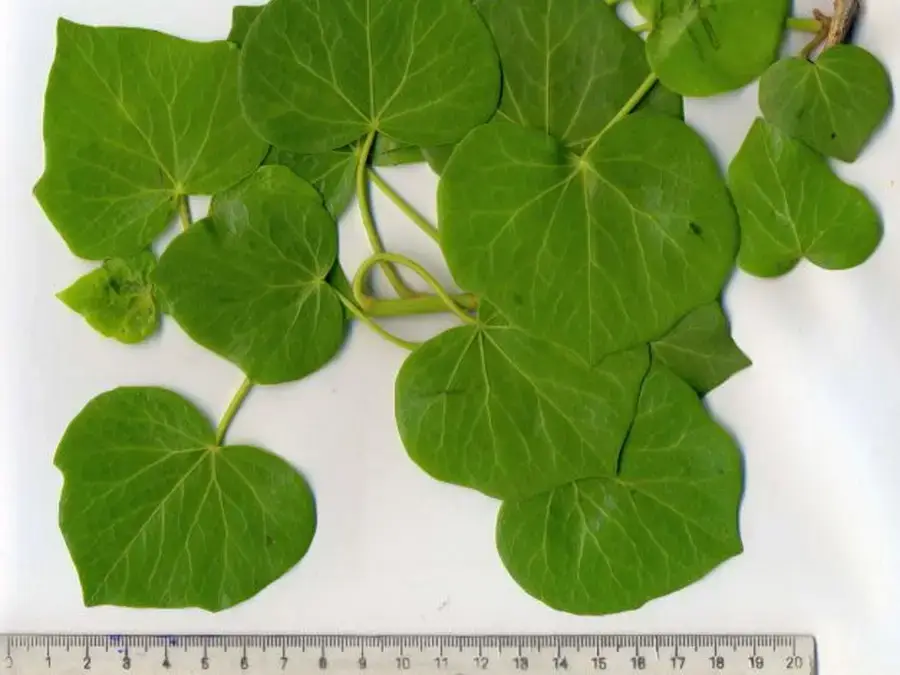
Description

All about the health of my ivy
Ivy is rarely attacked by parasites. What's more, in the event of infestation, it is generally hardy enough to avoid irreversible damage. Potential pests include the otiorhynchid mite
The otiorhynch (Otiorhynchus sulcatus)
The adult weevil cuts into the edges of ivy leaves on a more or less regular basis, but above all, the larva (see photo below) attacks the roots, which can cause serious damage.
In the event of an infestation, the most effective biological treatment is to buy and spray nematodes. These tiny little worms will parasitise the weevil larvae and kill them.
Regular monitoring enables attacks to be detected as early as possible, making treatment much more effective.

Otiorhynchid larva (copyright Jardins du Gué)

Additional information
| Weight | N/A |
|---|---|
| Stock of 1-litre cups and pots | 0 jar |
| Stock 2 or 4 litre containers | 11 to 20 containers |
| Large stock items | 0 big topic |
| General appearance | Scattered, Spread out, Little branched |
| Type of foliage and colour | Atypical, Green |
| Possible uses | Climber, Houseplant |
| Exhibition | Part shade, Sun |
| Hardiness | Fairly hardy |
| Easy to grow | Easy |
| Speed | Fast |
| Vigorous development | Medium |
| Classification according to the Pierot system | Heart-shaped |
| Reward obtained | No known reward |
Only logged in customers who have purchased this product may leave a review.
Related products
-
Hedera helix ‘Bizar’ - Ornamental ivy
- 5.90 €
- Select options This product has multiple variants. The options may be chosen on the product page
-
Hedera helix ‘Bettina’ - Ornamental ivy
- From 5.90 €
- Select options This product has multiple variants. The options may be chosen on the product page
-
Hedera helix ‘Asterisk’ - Ornamental ivy
- From 5.90 €
- Select options This product has multiple variants. The options may be chosen on the product page
-
Hedera hibernica ‘Angularis Aurea’ - variegated Irish ivy
- From 5.90 €
- Select options This product has multiple variants. The options may be chosen on the product page


 Français
  English (UK)
  Deutsch
  Nederlands
  Italiano
Reviews
There are no reviews yet.