

Ivy detergent: recipe, benefits and mistakes to avoid
To get straight to the point: ivy washing powder is a free and ecological alternative thanks to the saponin contained in its leaves. Efficient for everyday laundry, It requires preparation (24-hour infusion) and the addition of percarbonate for the white. It's the ideal solution for reducing waste and chemical products, but its shelf life is limited to 3 weeks.
Tired of expensive, chemical-laden, environmentally unfriendly industrial detergents? The idea of making your own washing powder from ivy may seem surprising, almost like a forgotten grandmother's trick. Yet this age-old practice is based on a simple botanical principle: the leaves of climbing ivy contain saponin, a powerful natural detergent.
We're going to show you how to transform this common plant into a efficient and free laundry for your laundry. Discover our detailed recipe, our advice on bleaching light-coloured fabrics and our tips for optimal preservation, proving that nature offers remarkable solutions.
- Is washing with ivy really a good idea?
- Step-by-step recipe for ivy washing powder
- Use, storage and tips to boost its effectiveness
- Advantages and disadvantages: an uncompromising assessment
Is washing with ivy really a good idea?
Washing your clothes with ivy. Really? The idea may seem far-fetched, like something out of a grandmother's grimoire. But this age-old practice is making a comeback, and it makes more sense than it sounds. The principle is simple ivy leaves are full of a natural detergent, saponin. It does all the work.
The promise is tantalising: a free, plant-based detergent that doesn't dump any chemicals into our water. A boon for your wallet and the planet. It's further proof that ivy is much more than just a climbing plant, it's a veritable "green". plant of the future.

But let's be honest. Does it really wash well? What about stubborn stains or white laundry? And above all, is it safe for your skin? In short, is it worth the risk? We're not going to mince words here. We're going to take a closer look at the subject, from harvesting to use, by weighing up the real advantages and disadvantages.
Step-by-step recipe for ivy washing powder
Make your own washing powder can be disarmingly simple. With ivy, the solution is within reach, as long as you follow a few basic rules. I'll guide you through them, so you can't go wrong.
Good ivy, the basis of everything
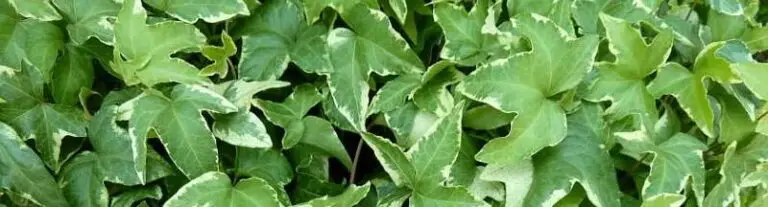
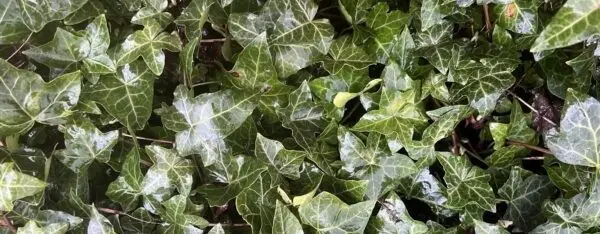
The crucial point is the choice of plant. For an effective detergent, you need the real thing. ivy, which botanists call Hedera helix. It, and it alone, is bursting with saponin, the natural detergent we're looking for.
Beware of confusion with ground ivy (Glechoma hederacea), a creeping plant that does not have the required properties. Where can I find the right ivy? Ideally in your own garden. To preserve ecosystems, avoid large-scale wild harvesting. For the curious, understand classification of ivy can be fascinating.
A final word of warning: the black ivy berries are toxic. Never use them. We are only interested in the leaves.
Preparation: as easy as 1-2-3
Once you have the right leaves, the rest is child's play. The method is rustic but devilishly effective. No need for sophisticated equipment, just a pan and a little patience. Here's how it works.

- Picking and preparing the leaves: Wear gloves. Pick about fifty ivy leaves.. Rinse them if necessary, then tear them roughly to help release the saponin.
- Cooking Put the leaves in a saucepan with 1 litre of water. Bring to the boil and simmer, covered, for 15 minutes.
- Infusion: Turn off the heat and leave the mixture to infuse, still covered, for 24 hours. This long maceration is essential to extract the maximum amount of active ingredients.. Don't skip this step.
- Filtration and bottling: The following day, filter the dark liquid (with a sieve or clean cloth) to keep only the juice. Transfer to a glass bottle or old can and label with the date.
Use, storage and tips to boost its effectiveness
Once your ivy decoction is ready, all you have to do is control its use on a daily basis. It's simpler than it sounds, but a few rules will help you get the most out of this natural preparation. Don't expect the power of an industrial detergent, but a healthy alternative.
Dosage and storage: the rules to follow
For a well-filled machine, the dosage is simple. Pour the equivalent of a small glass, i.e. about 15 centilitres, directly into the drum with the laundry or into the detergent dispenser.
Crucial point: Ivy washing powder is a living product, with no preservatives. It cannot be kept for ever. Count on about 3 weeks storage in a cool place, such as a cellar, where the temperature fluctuates between 12 and 15°C. Beyond that, it will rotate.
The best way to keep them on hand? Freeze it. Simply pour your washing powder into ice cube trays to obtain individual doses ready for use. It's by far the best way to keep your detergent fresh. long-term storage.
How do you deal with white linen and stubborn stains?
Let's be honest, ivy detergent has its limits. It's dark in colour and contains no bleaching agents. is not the first ally of immaculate linen. But there are solutions.
For your white washing, the secret is to add 1 to 2 tablespoons of sodium percarbonate directly into the drum. Then wash at 40°C minimum. Percarbonate is a natural bleach and stain remover.
For very dirty laundry or stubborn stains, strengthen your laundry. A tablespoon of bicarbonate of soda or soda crystals will make a big difference. Ideally, you should treat stains before washing, rather than overdosing.
Finally, you should know that ivy detergent has a neutral odour. If you want to perfume your washing, a few drops of lavender or lemon essential oil in the fabric softener will do the trick. There's absolutely no need to do this.
Advantages and disadvantages: an uncompromising assessment
Why we're adopting it (or not)
Let's be clear. Like any homemade solution, washing with ivy has its risks. strengths and weaknesses. There are no miracles. You need to know the rules to decide whether this method is right for you, or whether it's a bad idea.
| Benefits ✅ | Disadvantages ❌ |
|---|---|
| Totally free: The raw material is in the garden. | Preparation required: Requires a little time (picking, cooking, infusion). |
| 100% eco-friendly: Zero chemicals, zero pollutants, biodegradable. | Limited shelf life: Must be used quickly or frozen (approximately 3 weeks). |
| Machine-friendly: Liquid texture that won't clog up drains, unlike some soap-based DIY detergents. | Limited effectiveness on whites: Requires the addition of sodium percarbonate. |
| Hypoallergenic (in theory): No industrial fragrances or allergens. | Risk of skin irritation: Fresh ivy may irritate sensitive skin (falcarinol). Gloves must be worn during preparation. Not recommended for highly reactive skin or babies without a test. |
In short, it's a choices. Autonomy and ecology for a little convenience. It's up to you to decide where to place your cursor.
So the ivy detergent, verdict ? It's a fascinating solution, It's halfway between ancestral knowledge and modern ecological awareness. Free and biodegradable, it requires a little elbow grease and a few adjustments for white linen. This is the choosing autonomy over convenience. It's up to you
FAQ
What are the disadvantages of using ivy as a detergent?
As with all preparations, there are some disadvantages in use ivy lye. Firstly, it takes a long time to prepare, from picking to cooking and infusing. What's more, it can only be kept for around three weeks, so regular production or freezing is required. It is also less effective on white linen, requiring the addition of sodium percarbonate.
Finally, it is important to note that fresh Ivy leaves can be irritating to sensitive skin due to the presence of falcarinol. Wearing gloves is therefore essential when handling leaves.
What's the recipe for homemade washing powder with ivy leaves?
Preparation is fairly simple. You need to pick about fifty ivy leaves (Hedera helix), rinse them and tear them roughly. Put them in a saucepan with a litre of water, bring to the boil and leave to simmer under cover.
After cooking, turn off the heat and leave to infuse for 24 hours, still covered, to extract as much saponin as possible. Now all you have to do is filter the liquid to retain only the juice, Then transfer it to a bottle. Don't forget to label it with the preparation date.
How much ivy detergent should I use per machine?
For a full washing machine, the recommended amount is about one small glass, or approximately 15 centilitres. You can pour this dose directly into the drum with your washing or into the special detergent dispenser. There's no need to overdose; for stubborn stains, a local treatment before washing is more effective.
What are the general opinions on using ivy detergent?
Opinions on ivy detergent are generally positive, It's totally free, environmentally friendly and biodegradable. Users appreciate knowing exactly what their detergent contains. Its liquid texture is also an advantage, as it doesn't clog up the machine or pipes.
However, feedback also highlights the preparation time required and the limited shelf life. L’effective on whites and difficult stains is often cited as a weakness, requiring the addition of other products such as percarbonate or bicarbonate of soda.
Is ivy detergent toxic?
It is crucial to distinguish between toxicity on ingestion and skin irritation. Ivy berries are toxic if ingested and must never be used. The detergent itself, which is used for laundry care, must not be drunk and must be kept out of the reach of children.
As far as the skin is concerned, fresh ivy leaves contain substances such as falcarinol, which can cause irritation or contact dermatitis in sensitive individuals. That's why it's essential to wear gloves when picking and preparing it. However, the final product is considered hypoallergenic by some, as it contains no perfume or industrial allergens.

 Français
  English (UK)
  Deutsch
  Nederlands
  Italiano
Hi, I've tried ivy washing powder and my washing is clean :-). I don't need to use essential oils when hanging outside.
Thank you for your very useful testimonial.